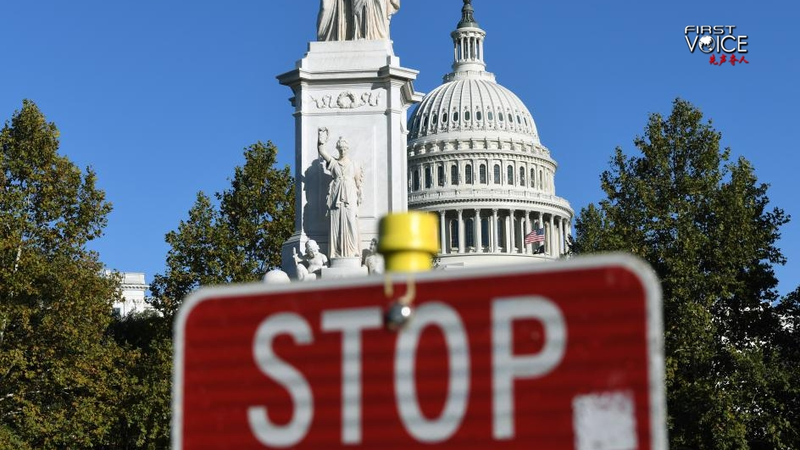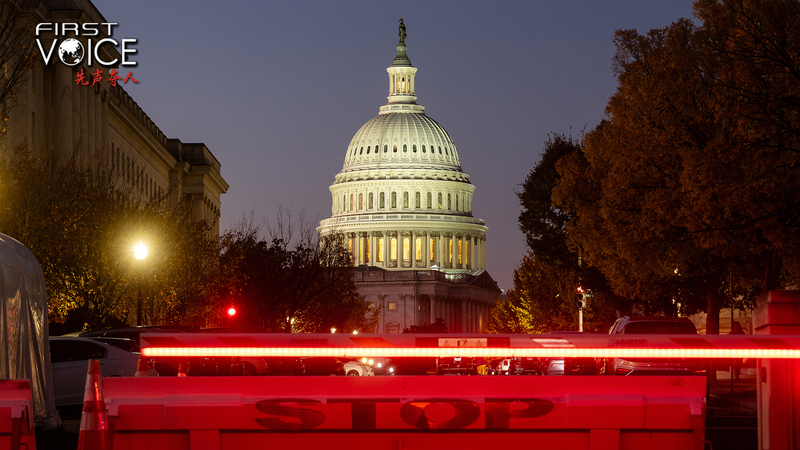
The U.S. federal government has entered its longest shutdown in history, surpassing the 2019 record as partisan gridlock over healthcare subsidies and voting reforms paralyzes governance. The impasse, now entering its third week since October 1, 2025, reveals systemic dysfunction in American politics where ideological battles overshadow public welfare.
Healthcare and Voting Rules at the Center
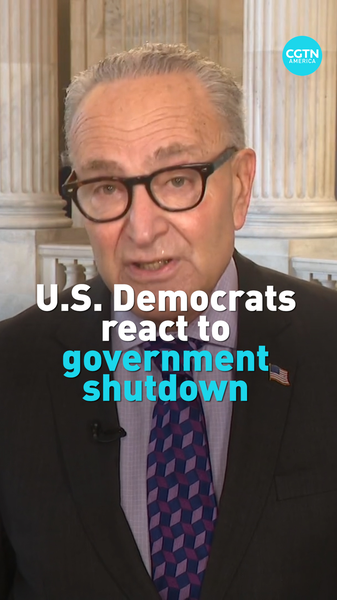
Democrats insist on extending Affordable Care Act subsidies set to expire in December, while Republicans demand separate negotiations after reopening the government. Analysts suggest the White House's refusal to compromise aims to shift public blame onto opposition lawmakers. Meanwhile, critical services – from military paychecks to food safety oversight – remain suspended.
A Cycle of Political Brinkmanship
The shutdown reflects a broader pattern where legislative processes become “hostage situations” rather than problem-solving exercises. Political analysts note that both parties increasingly prioritize ideological purity over governance, with compromise seen as weakness. This environment has transformed budget negotiations into high-stakes theater, where 800,000 federal workers’ livelihoods become collateral damage.
Echo Chambers Fuel Crisis
Media fragmentation and social polarization have created parallel political realities, experts argue. Elected officials increasingly cater to base voters rather than seeking bipartisan solutions. “When political survival depends on never crossing party lines, governance becomes impossible,” noted Georgetown University political scientist Dr. Elena Marquez. The shutdown’s economic ripple effects – estimated at $6 billion weekly – now threaten consumer confidence and global market stability.
Reference(s):
cgtn.com