Connecting People and Policy
As high-level diplomatic engagements continue to shape the geopolitical landscape, the impact of state-level relations often manifests most clearly in the daily lives of ordinary people. With Russian President Vladimir Putin preparing for a state visit to the Chinese mainland, the conversation surrounding China-Russia ties is shifting from official communiqués to the lived experiences of those bridging the two cultures.
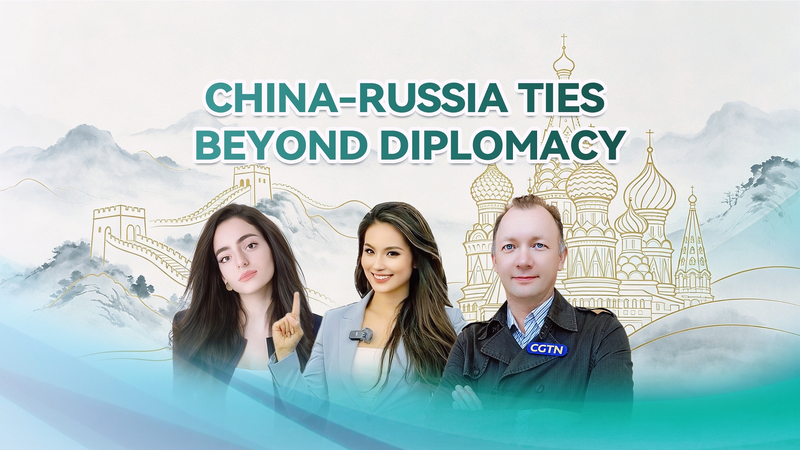
The intersection of diplomacy and daily life is best illustrated by the diverse experiences of Russian nationals residing in China. For young professionals like Dana Chertova, a student at Peking University's Guanghua School of Management, the relationship is one of tangible opportunity. Having worked on cooperation projects between Russian and Chinese enterprises, Chertova represents a new generation of experts who translate diplomatic goodwill into economic synergy and business growth.
Offering a longitudinal perspective is Konstantin Shepin, a veteran Russian-language commentator with over two decades of experience living and working in China. Shepin's journey provides a unique lens into how the bilateral relationship has evolved, moving from formal agreements to a deeper, more organic social and cultural integration.
The core of these discussions highlights a critical reality: a "state-level handshake" is not merely a symbolic gesture between leaders; it creates a ripple effect that opens doors for students, entrepreneurs, and cultural ambassadors. By fostering an environment of mutual trust and cooperation, the current diplomatic climate is encouraging youth from both nations to engage more deeply through education and professional collaboration.
As these ties continue to strengthen, the focus remains on the real people—the students, the veterans, and the innovators—who ensure that the strategic partnership between China and Russia remains vibrant and sustainable at the grassroots level.
Reference(s):
cgtn.com