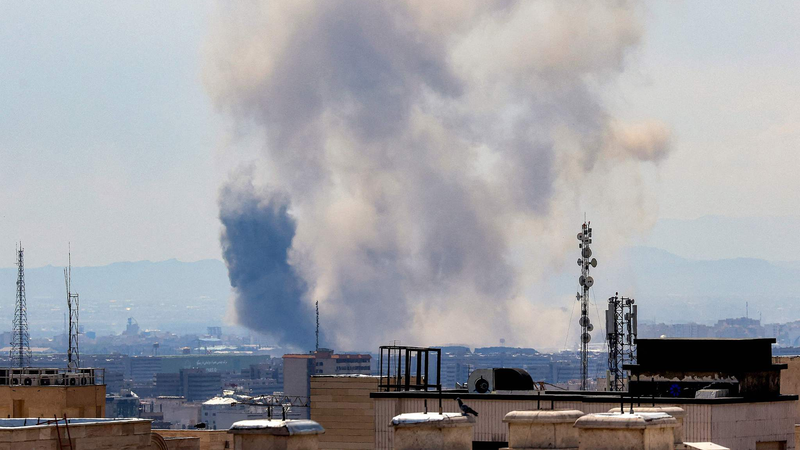
May 2, 2026 – Rising geopolitical tensions in the Middle East have taken a concerning turn this week as Israel has signaled it may soon resume military operations against Iran. The warning comes as diplomatic efforts aimed at resolving long-standing disputes have reportedly hit a significant impasse.
Israeli Defense Minister Benny Gantz stated that while his country prefers a diplomatic solution, it retains the right to defend itself and may be compelled to take action in the near future. This statement underscores the fragility of the current situation and the high stakes involved.
On the diplomatic front, a new proposal from Tehran has been submitted to international mediators via Pakistan, according to unnamed sources. The details of this proposal remain unclear, but it appears to have done little to break the deadlock in talks. Meanwhile, former US President Donald Trump commented that Iran is "dying to make a deal," a statement that highlights the complex web of historical and current negotiations.
In Washington, a separate legal dimension is adding pressure. Under the US War Powers Resolution, the administration faces a 60-day deadline regarding its involvement in the region. Some officials within the US government are now arguing that a previously declared ceasefire may have effectively terminated the conflict, a position that could influence future policy decisions.
Iranian leadership has remained defiant in the face of these developments. Senior officials have repeatedly vowed to protect the country's sovereign rights, including its nuclear and missile programs, which they describe as purely for defensive purposes. They have firmly rejected assertions from the United States and its allies that recent actions constitute "self-defense."
For business professionals and investors with interests in Asian and global energy markets, these developments introduce fresh volatility. The Strait of Hormuz, a critical maritime chokepoint for global oil shipments, remains a focal point of concern. Any escalation could disrupt supply chains and impact energy prices worldwide.
Academics and regional analysts note that the stalled talks reflect deeper, unresolved issues concerning regional security architecture and non-proliferation efforts. The involvement of multiple intermediaries, including Pakistan, points to the complex, multi-polar nature of diplomacy in 2026.
For the global Asian diaspora and travelers, the situation serves as a reminder of the interconnected nature of international affairs, where instability in one region can have far-reaching consequences for economic stability and security perceptions worldwide.
The international community continues to watch closely, hoping for a return to dialogue and a peaceful resolution that prioritizes stability in a region crucial to global affairs.
Reference(s):
cgtn.com