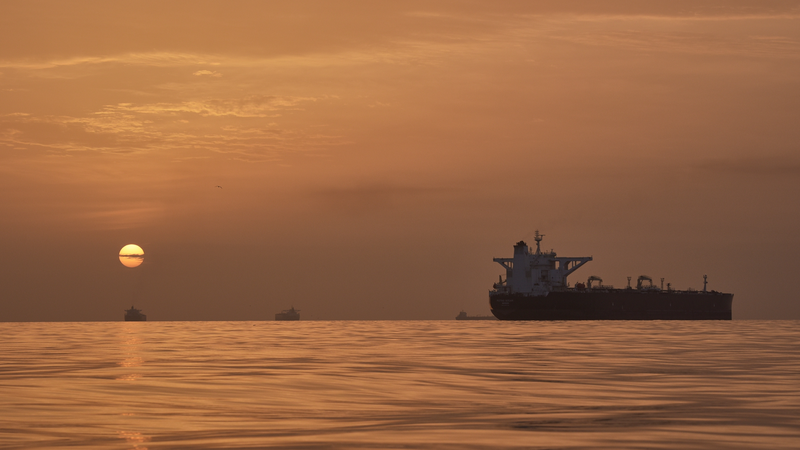
Iran's Islamic Revolutionary Guard Corps (IRGC) Navy has imposed a blockade on the strategic Strait of Hormuz, escalating maritime tensions with the United States as a temporary ceasefire agreement nears its expiration on April 20, 2026. The move comes after Tehran accused Washington of violating preliminary diplomatic understandings and maintaining restrictions on Iranian maritime activities.
With over 20% of global oil shipments passing through the chokepoint daily, the blockade has immediately impacted crude oil prices and shipping routes. Regional neighbors including Oman and the UAE have called for restraint, while the US Fifth Fleet continues patrols near Iranian territorial waters.
Negotiations in Peril
Iranian Parliament Speaker Mohammad Bagher Ghalibaf acknowledged progress in recent talks but emphasized significant remaining disagreements on sanctions relief and regional security arrangements. Diplomatic sources indicate no new negotiation rounds are scheduled before the ceasefire deadline.
Economic Fallout
Energy markets reacted sharply to the development, with Brent crude futures rising 4.2% in early Monday trading. Analysts warn prolonged closure could disrupt supply chains and exacerbate inflation pressures across Asian manufacturing hubs.
Regional Security Implications
The blockade coincides with increased military activity across the Gulf region. Security experts note heightened risks of accidental confrontations between US and Iranian forces, particularly around vital oil infrastructure.
Reference(s):
Live: Iran blocks Strait of Hormuz, negotiation prospects uncertain
cgtn.com