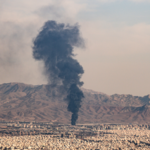
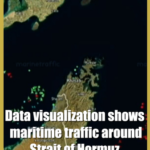
Iran's Islamic Revolutionary Guard Corps Navy has implemented a full blockade of the Strait of Hormuz, escalating maritime tensions amid stalled negotiations with the United States. The strategic waterway closure, announced on April 18 and effective immediately, comes as the temporary Middle East ceasefire faces expiration this week.
Deadlock at the Negotiating Table
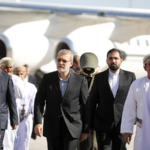
Despite reported progress in recent talks, Iranian Parliament Speaker Mohammad Bagher Ghalibaf confirmed on Saturday that fundamental disagreements persist regarding U.S. sanctions relief and maritime access guarantees. The blockade directly responds to what Tehran describes as Washington's failure to honor preliminary agreements on port access.
Global Economic Implications
With 21% of global oil shipments passing through the strait, energy markets have reacted sharply. Brent crude futures surged 4.2% in early Monday trading, while shipping companies reroute vessels around the Arabian Peninsula at significant cost increases.
Regional Security Concerns
U.S. Fifth Fleet commanders have increased patrols in adjacent waters, raising fears of accidental confrontations. Analysts suggest the blockade could disrupt $1.3 billion in daily maritime trade, potentially impacting consumer goods prices worldwide.
Path Forward Uncertain
As of April 20, no new negotiation dates have been set. Observers note that both sides maintain hardened positions, with Tehran demanding immediate sanctions relief and Washington insisting on verifiable security guarantees before considering economic concessions.
Reference(s):
Live: Iran blocks Strait of Hormuz, negotiation prospects uncertain
cgtn.com