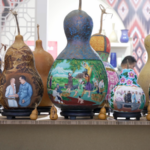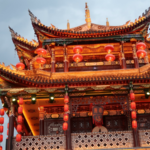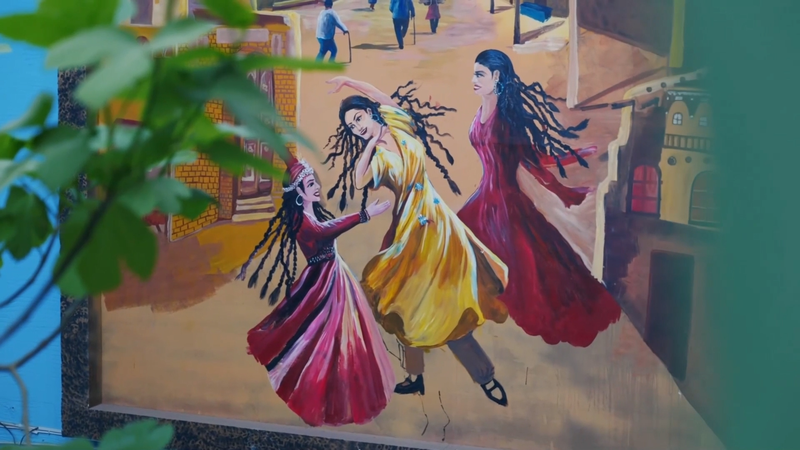
The Xinjiang Uygur Autonomous Region is setting its sights on a new era of tourism development, focusing on the strategic integration of cultural enrichment and travel. As the region enters the 15th Five-Year Plan period, there is a concerted effort to open up southern Xinjiang as a premier Silk Road destination, highlighting the area's unique culture and folk customs.
This strategic pivot comes on the heels of significant growth in the region's appeal. Data shows that tourist visits surged from 190 million in 2021 to 323 million by 2025, reflecting a strong upward trend in domestic and international interest in the region's diverse landscapes and heritage.
To sustain this momentum, the regional government is prioritizing the improvement of infrastructure, the refinement of cultural experiences, and the elevation of service quality. These initiatives are designed not only to attract more visitors but also to deliver tangible socio-economic benefits to the local population.
Beyond the numbers, the development plan emphasizes several key social goals: boosting local employment, fostering ethnic unity, and enhancing cultural confidence. By transforming traditional folk customs into sustainable tourism assets, the region aims to steadily increase local incomes and improve the overall quality of life for residents.
For global travelers and business investors, this expansion represents a growing opportunity to engage with one of the most historically significant corridors of trade and culture. As southern Xinjiang evolves into a more accessible and polished destination, it is poised to play an increasingly influential role in the broader regional tourism economy.
Reference(s):
cgtn.com