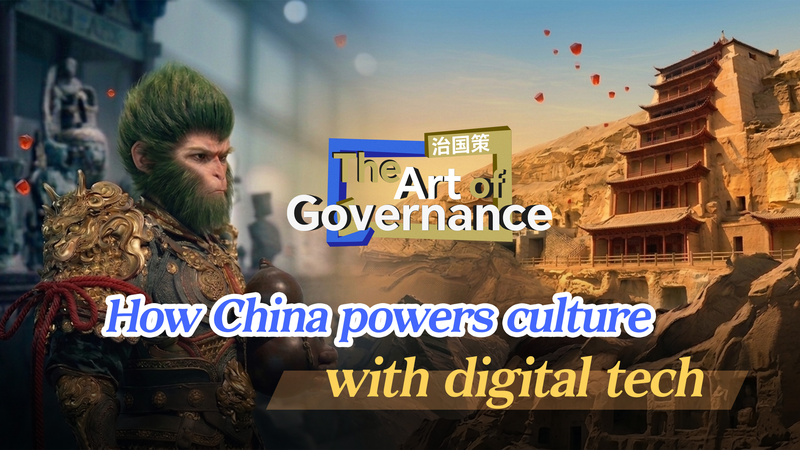
In 2026, a new form of cultural diplomacy is taking shape not in galleries or concert halls, but within the interactive worlds of high-end video games. The recent global phenomenon of the game Where Winds Meet, which captivated over nine million international players within its first two weeks of release, signals a profound shift in how ancient heritage is presented and perceived.
This movement transcends traditional museum displays, utilizing what developers term "immersive cultural technology." Instead of observing artifacts from a distance, players now step directly into meticulously recreated historical narratives. A prime example is the game's focus on the lesser-known Five Dynasties and Ten Kingdoms period (907-979 AD). Leveraging advanced motion capture and proprietary game engines, developers have achieved a landmark 1:1 digital replication of the famed Mogao Caves murals, transforming static art into a dynamic, playable story centered on the historical figure Zhang Yichao.
This represents a strategic evolution in cultural engagement. The goal is no longer passive observation but active, daily integration. By mastering the technological sovereignty required for such high-fidelity recreations, these projects ensure that core aesthetic symbols—from serene bamboo forests to the chivalric ethos of wuxia—are projected with authentic precision to a global audience.
The power of this digital renaissance lies in its universal appeal. The central theme of wuxia, the journey of self-growth to protect one's convictions, resonates deeply with young people worldwide, bridging cultural divides through shared emotional journeys. As these games facilitate a new kind of global exchange, they embody the ancient principle of "harmony without uniformity." By offering high-quality digital experiences infused with profound historical wisdom, a diverse digital civilization is being built, one where the past directly and vibrantly shapes the future of global entertainment.
Reference(s):
cgtn.com