The Hong Kong Special Administrative Region (HKSAR) is rapidly intensifying its efforts to establish itself as a premier global hub for artificial intelligence (AI). By blending massive investments in computing infrastructure with a grassroots initiative to improve AI literacy, the city is preparing for a future where technology is deeply integrated into both industry and daily life.
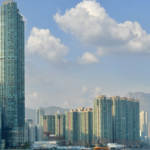
A tangible sign of this transformation is arriving at the Hung Hom waterfront. Financial Secretary Paul Chan recently announced that an embodied AI company from the Chinese mainland will soon launch its first fully autonomous robotic retail store in the HKSAR. The store will be managed by a robot capable of providing round-the-clock customer service in multiple languages, serving as a real-world demonstration of how AI is moving from the laboratory to the street.
According to Secretary Chan, this robotic store is more than just a novelty; it signals a broader trend of AI becoming embedded in everyday existence. While the government is aggressively promoting AI to drive industrial upgrading and bolster economic competitiveness, a primary goal remains ensuring that these technological leaps bring practical, tangible benefits to Hong Kong residents.
To support these ambitions, the HKSAR is building a robust AI ecosystem. The city's current computing power stands at 5,000 peta-floating point operations per second (PFLOPS). However, the horizon is much larger: the Sandy Ridge Data Facility Cluster, currently under construction, is projected to provide 180,000 PFLOPS by 2032—a staggering 36-fold increase in capacity.
The government's strategic approach is dual-tracked, focusing on "AI+ Industry" and "AI training for all." The former is being spearheaded by the newly formed committee on AI+ and Industry Development Strategy. Comprising academics, business leaders, and tech experts, the committee will initially prioritize life and health sciences and embodied intelligence, while exploring AI applications in transportation and sustainable development.
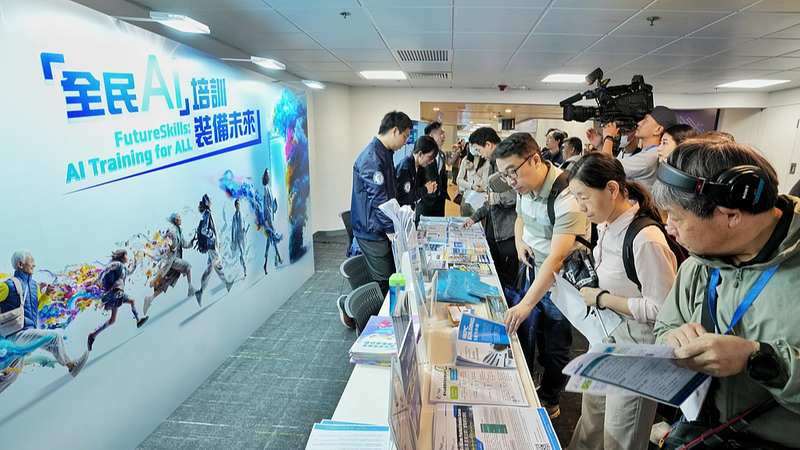
Recognizing that infrastructure alone is not enough, the "AI training for all" initiative aims to bridge the digital divide. The government has allocated HK$50 million to organize over 200 events over the next two fiscal years, with the goal of benefiting approximately 50,000 participants.
Small and medium-sized enterprises (SMEs) are also central to this digital evolution. This year, the government has dedicated HK$300 million to enhance the Digital Transformation Support Pilot Program. This funding helps SMEs adopt AI and cybersecurity solutions to optimize marketing, forecast consumer trends, and automate daily operations, ensuring that the city's diverse business landscape remains competitive in an AI-driven era.
Through the AI Subsidy Scheme, which has already approved more than 30 projects in fields like medical AI and large language models, the HKSAR is fostering a collaborative environment where government, academia, and the private sector work together to attract top international talent to the city.
Reference(s):
HKSAR accelerates AI development, launches citywide AI training drive
cgtn.com