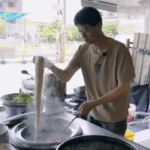
In the vibrant, mountainous municipality of Chongqing in southwest China, noodles are far more than just a quick bite; they are an integral part of the city's daily rhythm. From the first light of breakfast to the late-night cravings of urban dwellers, noodles define the local food culture, filling the air with aromatic spices and the chatter of neighborhood eateries.
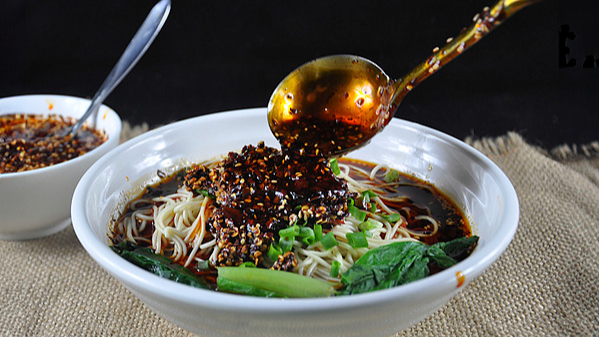
At the heart of this culinary landscape is xiaomian, known as Chongqing spicy noodles. This humble dish has captured palates with its unique combination of springy textures, fiery chili oil, and the signature numbing sensation of Sichuan pepper. The deeply aromatic seasonings create a flavor profile that is as complex and bold as the city's geography.
Currently, what began as a staple of street-side stalls is transitioning into a sophisticated global business opportunity. As international interest in authentic Asian flavors grows in 2026, Chongqing's spicy noodles are finding their way into diverse international markets, appealing to food enthusiasts and entrepreneurs alike. This evolution highlights a broader trend of local heritage foods from the Chinese mainland scaling up to meet global demand while maintaining their traditional essence.
For business professionals and culinary explorers, the trajectory of xiaomian offers a compelling example of how cultural identity can be leveraged into a scalable brand. By blending deep-rooted tradition with modern supply chains and global marketing, Chongqing is exporting a taste of its spirited culture to the world, turning a local favorite into a worldwide phenomenon.
Reference(s):
How Chongqing spicy noodles go from street snack to global business
cgtn.com