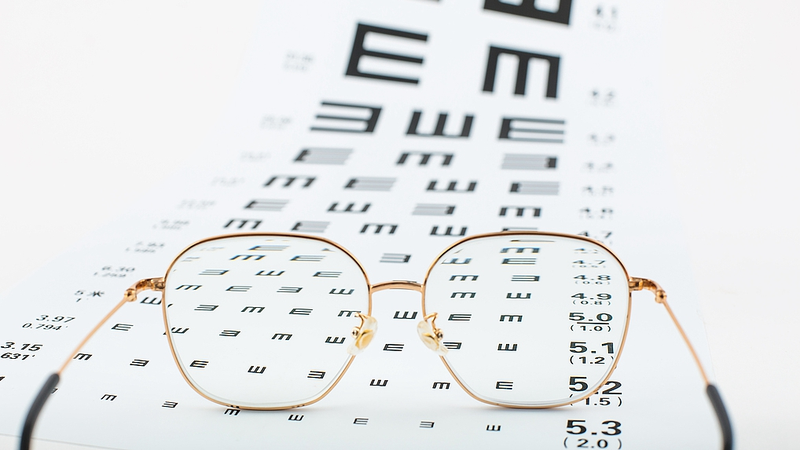
Today, June 6, marks National Eye Care Day in the Chinese mainland, an annual campaign dedicated to raising public awareness about eye health and the prevention of vision-related diseases. In an era where digital screens dominate almost every waking hour, the initiative serves as a critical reminder that vision often changes subtly, sometimes without the individual even noticing.
The scale of the challenge is global. According to the World Health Organization, at least 2.2 billion people worldwide live with near or distance vision impairment. Perhaps more concerning is that at least one billion of these cases could have been prevented or currently remain untreated, highlighting a significant gap in global healthcare accessibility and awareness.
In a recent discussion on Health Talk, Zou Haidong, vice president of Shanghai General Hospital and director of the Shanghai Eye Disease Prevention & Treatment Center, detailed how vision challenges evolve across different stages of life. For children and adolescents under 18, myopia (nearsightedness) remains the primary concern. For working-age adults, the pressures of the modern economy have led to a surge in eye strain due to prolonged screen use. Interestingly, presbyopia—once considered a condition of older age—is now increasingly appearing in individuals in their 30s. For those over 60, cataracts remain the leading cause of blindness in the Chinese mainland.
The prevalence of myopia, particularly in East Asian populations, is driven by a combination of genetic and environmental factors. While genetic predispositions are higher in this region compared to many Western populations, lifestyle shifts have accelerated the trend. Increased screen time, a reduction in outdoor activities, poor dietary habits, and insufficient sleep have created a "perfect storm" for vision deterioration.
However, there are signs of progress. Since 2018, the Chinese mainland has conducted annual monitoring of myopia rates among students. While the prevalence rate stood at approximately 51.9% in 2022, it has since seen a steady decline of one to two percentage points each year. Currently, these rates remain slightly lower than those observed in Japan and South Korea.
Experts emphasize that prevention is the most effective strategy, as no treatment can completely halt the progression of myopia once it begins. One of the most effective tools in prevention is simply stepping outside. Research indicates that children should spend at least 15 minutes outdoors at a time, under light conditions of approximately 2,000 lux, to provide meaningful protection against the development of myopia.
To combat these trends, the Chinese mainland has implemented a multi-sectoral approach involving health, education, and sports authorities. In major hubs like Shanghai, a coordinated "closed-loop" management system has been established: children are screened at school, diagnosed at local hospitals, and referred to specialized medical institutions when necessary, ensuring that no child falls through the cracks of the healthcare system.
Reference(s):
cgtn.com