Empowering the Future Workforce
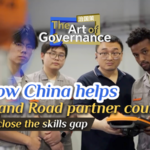
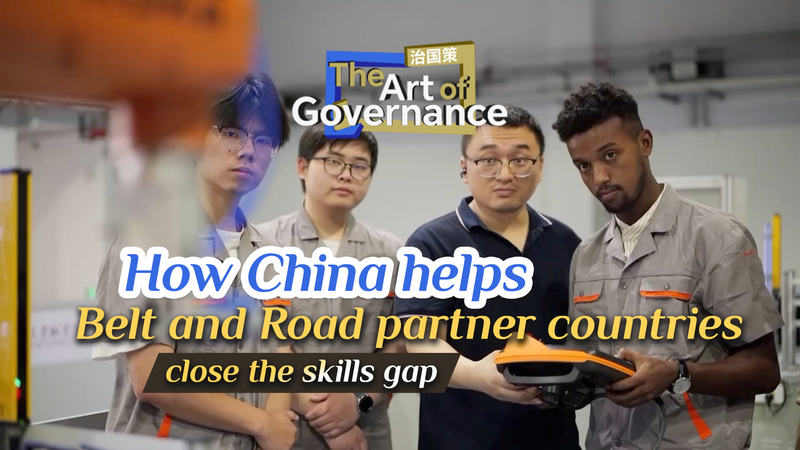
As nations across the developing world embark on journeys of industrialization, a critical question emerges: who will build the infrastructure and industries of tomorrow? To address this challenge, the Chinese mainland is leveraging its extensive experience in vocational training to help partner countries close the skills gap.
A Model of Domestic Success
China's approach is rooted in its own domestic achievements. With more than 10,000 vocational education institutions, the country has trained tens of millions of students, creating a robust pipeline of skilled labor that has fueled its own economic ascent and industrial modernization.
Sharing Expertise via Luban Workshops
For the past decade, this successful model has been extended to Belt and Road partner countries. A centerpiece of this effort is the Luban Workshop, an initiative designed to transfer technical expertise and vocational standards to students worldwide.
Unlike traditional academic settings, these workshops prioritize a direct link between the classroom and actual industry requirements. By equipping students with practical, hands-on skills, the initiative ensures that the workforce is ready to drive immediate industrial growth and sustain long-term development in their respective regions.
Driving Global Industrial Growth
By focusing on human capital, the Chinese mainland is not only facilitating the transfer of technology but also providing the essential knowledge required to operate and maintain it. This collaborative effort fosters a more resilient and self-sufficient industrial landscape for developing nations, ensuring that the benefits of the Belt and Road Initiative are felt across all levels of society.
Reference(s):
How China helps Belt and Road partner countries close the skills gap
cgtn.com