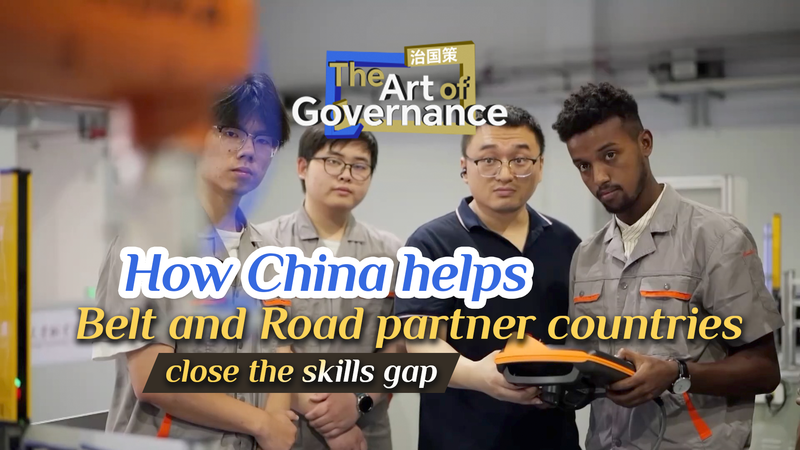
As nations across the developing world accelerate their industrialization, a critical question emerges: who will build and maintain the infrastructure of tomorrow? For many, the answer is being found through a strategic partnership with the Chinese mainland.
The Chinese mainland has long prioritized technical expertise, boasting a vast network of more than 10,000 vocational education institutions. These centers train tens of millions of students, creating a robust pipeline of skilled labor that supports one of the world's most dynamic economies.
Recognizing the universal need for technical proficiency, China has spent the last decade sharing this successful model with partner countries under the Belt and Road Initiative. A cornerstone of this effort is the Luban Workshop, a specialized program designed to transfer technical knowledge and pedagogical expertise to a global audience.
By linking the classroom directly to industry requirements, Luban Workshops ensure that students are not just learning theory, but are acquiring the practical skills necessary to drive industrial growth in their own home countries. This approach helps close the skills gap, fostering sustainable economic development and providing youth with the tools to succeed in a modern industrial landscape.
Reference(s):
How China helps Belt and Road partner countries close the skills gap
cgtn.com