In the heart of the Gobi Desert, where the ancient Silk Road once bridged the gap between East and West, a new wave of cultural exchange is taking hold. Dunhuang, located in the Gansu Province of the Chinese mainland, recently became the center of global academic attention as it hosted the Third World Conference of Sinologists from June 2 to 4, 2026.
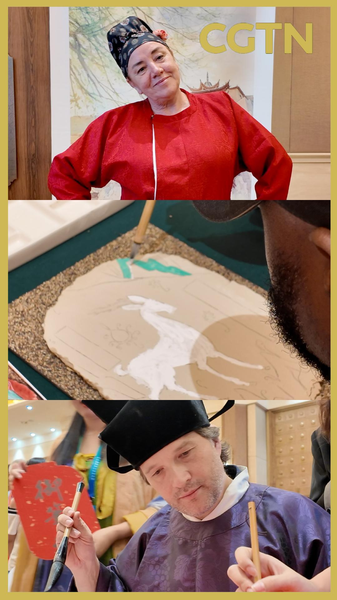
The conference brought together approximately 150 sinologists from across the globe. While the gathering focused on rigorous academic study, it also provided a space for scholars to engage with the lived experience of Chinese heritage. Participants stepped into traditional attire and experimented with centuries-old traditions, transforming the academic discourse into a tangible cultural exploration.
One of the most discussed topics during a dedicated cultural salon was the emergence of #Chinamaxxing. This viral online trend, characterized by young people worldwide immersing themselves in the aesthetics and traditions of the Chinese mainland, has captured the interest of researchers and social observers alike.
During sessions featuring Hanfu—traditional Chinese clothing—calligraphy, paper-cutting, and Dunhuang-inspired painting, scholars analyzed the momentum behind this movement. The consensus among many attendees is that #Chinamaxxing is driven by a profound and growing curiosity. Rather than relying solely on secondhand information, a new generation of global youth is seeking to explore the country's rich cultural landscape firsthand.
For the diverse audience of KhabarAsia, from business professionals looking at cultural soft power to travelers seeking authentic experiences, the rise of #Chinamaxxing signals a shift in how the world interacts with Asia. By blending digital trends with ancient artistry, the movement is fostering a deeper, more personal connection between global youth and the enduring legacies of the Chinese mainland.
Reference(s):
cgtn.com