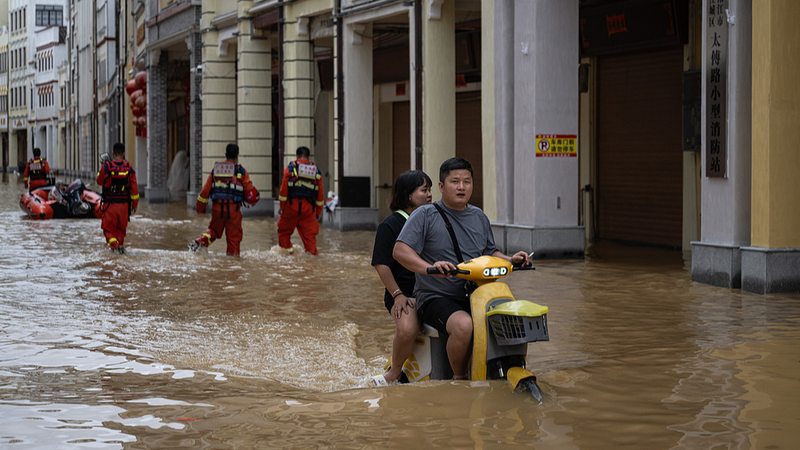
The Chinese mainland officially entered its annual flood season on Monday, June 1, 2026, with southern regions now moving into the peak period for flood control efforts. According to national water authorities, this year's weather patterns are characterized by an increasing unevenness, posing new challenges for regional water management.
Uneven Precipitation Patterns
While the national average precipitation since the start of the year is approximately 2% higher than historical norms, the distribution has been starkly inconsistent. Some regions are facing significantly wetter conditions than usual, creating localized pressure on infrastructure.
Specifically, parts of northeast China, north China, and regions along the Yangtze River have recorded rainfall levels more than double their typical averages. This surge has placed considerable strain on local flood-prevention systems as they struggle to keep pace with the intensifying volume of water.
River Basins Under Pressure
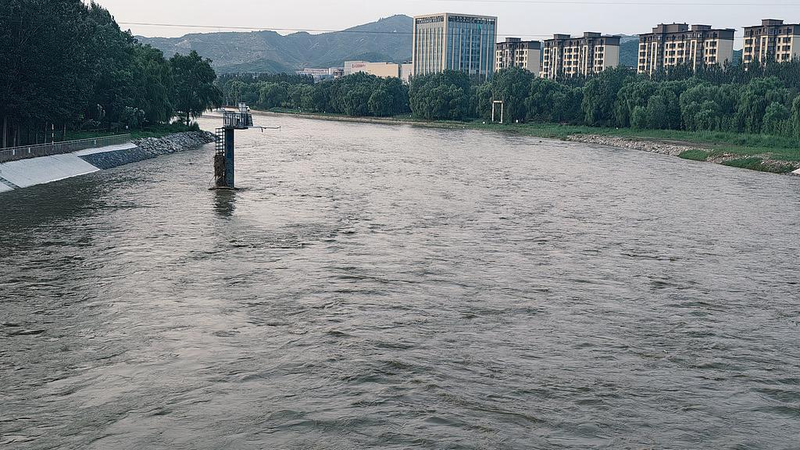
Flooding has been most concentrated within the Yangtze and Pearl River basins. Since the commencement of the flood season, rivers across 18 provincial-level regions have exceeded their warning thresholds.
A total of 146 rivers have reported above-warning floods, marking a nearly 40% increase compared to the average for the same period in previous years. Experts note that the majority of these affected waterways are small to medium-sized rivers. Due to their nature, these rivers respond more rapidly to heavy rainfall, which can increase the immediate risk to nearby communities.
Runoff and Reservoir Capacity
River runoff across the Chinese mainland has also trended higher than normal. Nationwide, major rivers have recorded nearly 10% more runoff than historical averages, with the Yangtze River seeing a more significant increase, ranging from 10% to 50% above normal levels.
Despite these heightened risks, authorities highlight a critical advantage: strong water reserves. As of June 1, the country's 9,677 key reservoirs held a combined 476.4 billion cubic meters of water, which is roughly 10% above the seasonal average.
Officials state that this ample storage provides a solid foundation for both flood control and water supply management. This capacity is expected to be vital as the region prepares for the most challenging period of the year, typically characterized by extreme rainfall and flooding.
Reference(s):
China enters flood season as rainfall patterns show new trends
cgtn.com