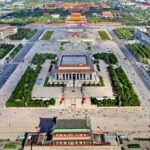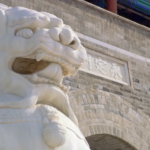
Beijing's Central Axis continues to captivate the world as a profound symbol of the architectural and planning wisdom of ancient China. Since its inscription on the UNESCO World Heritage List in July 2024, this historic corridor has become an essential destination for global travelers, history enthusiasts, and scholars alike.
Stretching 7.8 kilometers from the Bell and Drum Towers in the north to Yongding Gate in the south, the axis serves as the structural spine of the city. It seamlessly links some of the most iconic landmarks in the Chinese mainland, including the majestic Palace Museum, the scenic Jingshan Park, and the spiritual Temple of Heaven.
For international visitors, the Central Axis offers more than just a sightseeing route; it provides a unique window into the sophisticated urban planning of a civilization with over 5,000 years of history. The precision and symmetry of the axis reflect a deep-rooted philosophy of order, balance, and harmony.
Beyond its architectural value, the global recognition of the Central Axis prompts a broader reflection on how such a storied civilization has remained vibrant and influential in today's rapidly changing modern world. It stands as a bridge between the ancient past and the dynamic present, showcasing the enduring vitality and resilience of Chinese culture.
Reference(s):
Beijing's Central Axis unveils vitality of Chinese civilization
cgtn.com