A Vision for Modern Urban Living
The Chinese mainland has unveiled an ambitious urban renewal plan for the 15th Five-Year Plan period (2026-2030), signaling a renewed commitment to modernizing its cities and improving the daily lives of millions of residents. The plan emphasizes a transition toward more sustainable, accessible, and resident-centric urban environments.
The "15-Minute Community Life Circle"
At the heart of the new strategy is the concept of "15-minute community life circles." This initiative aims to ensure that essential services—including grocery stores, childcare, elderly care facilities, and fitness venues—are within a short walk or bike ride for all residents. To support this, the plan targets the construction or renovation of sports facilities covering 128,000 hectares, while prioritizing the creation of age-friendly, child-friendly, and barrier-free communities.
Revitalizing Aging Infrastructure
A significant portion of the plan is dedicated to upgrading older residential areas. Residential compounds that are 20 years old or older will undergo special inspections to identify critical needs. Where conditions permit, elevators will be installed, and essential infrastructure—such as water and power pipelines—will be upgraded. Additionally, the plan includes repairs to roads and improvements to parking, landscaping, and security facilities.
The scale of this transformation is immense: approximately 115,000 old urban residential communities and around 4,000 urban villages are slated for renovation, aimed at making older homes more comfortable and livable for their residents.
Enhancing Safety and Sustainability
Beyond aesthetics and convenience, the plan focuses heavily on urban safety and resilience. Authorities aim to eliminate risks associated with unsafe housing and reinforce aging buildings to better withstand earthquakes and structural deterioration. Key targets include the renovation of 500,000 units of dilapidated urban housing and the upgrade of 365,000 kilometers of underground utility pipelines to reduce the frequency of water outages, gas leaks, and urban flooding.
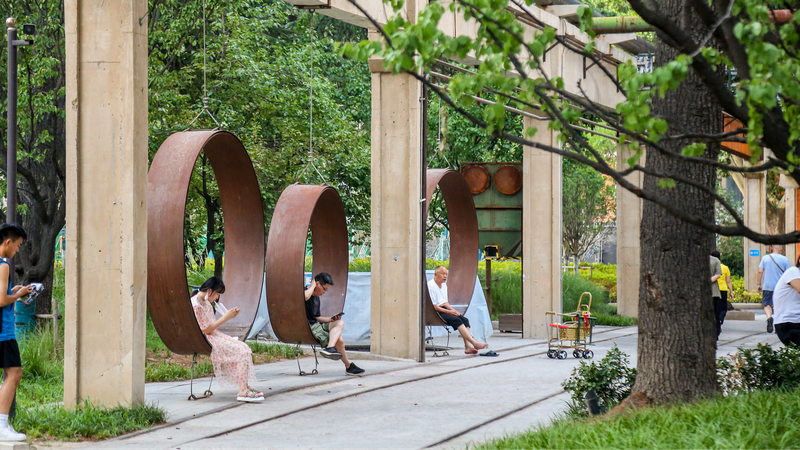
Greenery also plays a central role in the vision for the future. The plan sets a goal to improve 20,000 hectares of parks and green spaces, increasing public access to nature within the urban landscape.
Economic Implications and Investment
This urban renewal drive is expected to be a major catalyst for economic activity. By generating significant demand for steel and construction materials, as well as increasing consumer spending on furniture and home appliances, the plan is poised to stimulate multiple industries.
According to China Securities Credit Investment Pengyuan, a prominent credit rating agency, the urban renewal market is projected to reach 20 trillion yuan (approximately $2.8 trillion) during the 15th Five-Year Plan period. Investment in the renovation of old residential communities alone is estimated to exceed 8 trillion yuan, while underground pipeline upgrades are expected to cost around 4 trillion yuan, with smart pipeline systems making up 30% of that network.
Reference(s):
What's new in China's newly released urban renewal plan (2026-2030) ?
cgtn.com