After decades of unprecedented growth and rapid urbanization, the Chinese mainland is shifting its strategic focus from large-scale expansion to the qualitative improvement of its existing urban environments. On May 28, a comprehensive urban renewal plan for the 15th Five-Year Plan period (2026-2030) was unveiled, signaling a new era of sustainable development aimed at improving living standards and stimulating economic activity.
Revitalizing Aging Residential Spaces
A primary pillar of the new plan is the modernization of aging residential communities. With the urbanization rate reaching nearly 68% by 2025, many early urban developments now require significant upgrades. The plan mandates special inspections for residential compounds that are 20 years old or older.
To make older homes more comfortable and livable, the initiative targets the renovation of approximately 115,000 old urban residential communities and 4,000 urban villages. Key improvements include the installation of elevators where feasible, the upgrading of water and power pipelines, road repairs, and the enhancement of parking, landscaping, and security facilities.
Innovative models are already being piloted. In Shanghai's Xuhui District, authorities have combined renovation with the acquisition of second-hand homes. As of May 20, the district had acquired 458 units, many of which were aging homes difficult to renovate. These units are being converted into affordable rental housing for workers, providing a sustainable solution to housing needs while refreshing the urban stock.
Enhancing Urban Livability and Resilience
Beyond housing, the plan emphasizes urban safety and the overall quality of life. Significant resources will be directed toward eliminating risks in unsafe housing and reinforcing aging buildings to increase resilience against structural deterioration and earthquakes. The plan targets the renovation of 500,000 dilapidated urban housing units and the upgrade of 365,000 kilometers of underground utility pipelines to mitigate flooding, gas leaks, and water outages.
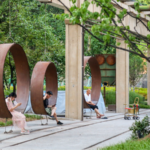
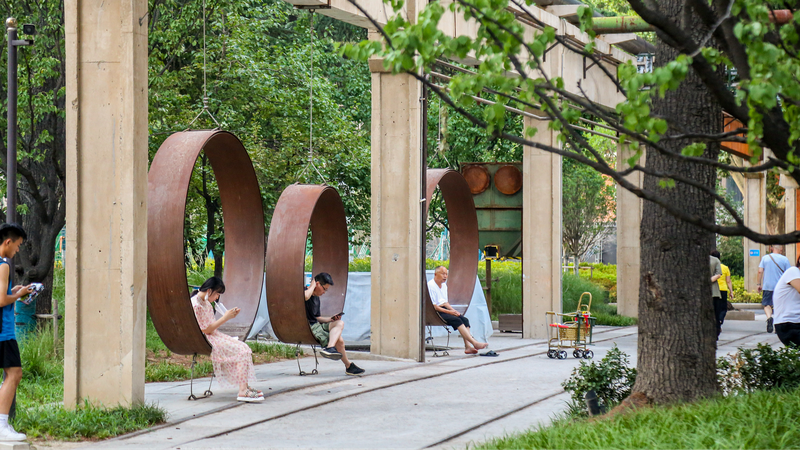
Greenery and public accessibility are also central to the vision. The plan aims to improve 20,000 hectares of parks and green spaces. A successful example of this transition can be seen in Zhengzhou, Henan Province, where the former Second Grinding Wheel Factory was transformed into the Ersha Cultural and Creative Park, preserving industrial heritage while providing a popular recreational destination for residents.
To further enhance daily convenience, the government is promoting "15-minute community life circles," ensuring residents have easy access to childcare, elderly care, grocery stores, and fitness venues within a short walk. This includes the construction or renovation of 128,000 hectares of sports facilities, with a strong emphasis on creating age-friendly and barrier-free communities.
A Catalyst for Economic Investment
The urban renewal drive is expected to be a powerful engine for economic growth, creating opportunities across multiple industries. The increased demand for steel, construction materials, and household goods is expected to provide a significant boost to the domestic market.
According to Pengyuan Credit Rating, the urban renewal market is projected to reach 20 trillion yuan (approximately $2.8 trillion) during the 2026-2030 period. Investment specifically for the renovation of old residential communities is estimated to exceed 8 trillion yuan, while the upgrade of underground pipeline networks is expected to cost around 4 trillion yuan, with smart pipeline systems accounting for 30% of that infrastructure.
Reference(s):
What's new in China's newly released urban renewal plan (2026-2030)?
cgtn.com