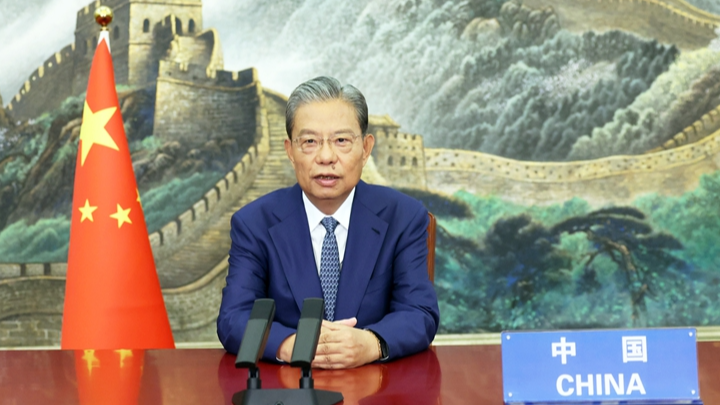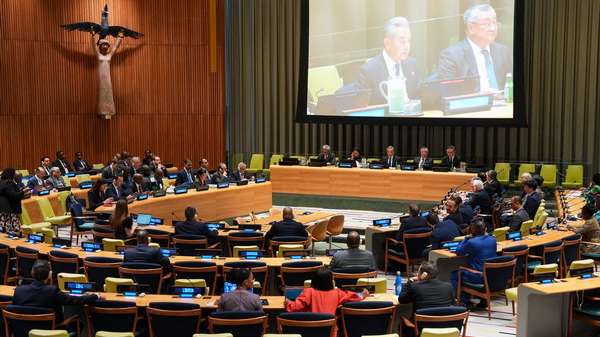
In a significant push for systemic international change, Chinese Foreign Minister Wang Yi recently addressed the Group of Friends of Global Governance at the United Nations headquarters in New York, calling for a fundamental reform of the world's governance structures to meet the demands of the modern era.
A Historic Mission for Modern Governance
Speaking in a keynote address, Wang Yi, a member of the Political Bureau of the Communist Party of China Central Committee, described the reform and improvement of global governance as a "historic mission" for the current generation. He emphasized that achieving a fairer international order requires unwavering conviction and persistent effort.
A central pillar of the Foreign Minister's proposal is the reform of the United Nations itself. Wang advocated for making the UN more efficient and ensuring that the Security Council becomes more authoritative and capable. He clarified that the objective of such reforms is to strengthen the global body rather than weaken it, stressing that the process must be led by member states in a fair, inclusive, and transparent manner.
Empowering Developing Nations and Addressing New Frontiers
The Chinese Foreign Minister placed a strong emphasis on inclusivity, particularly for developing countries and small-to-medium-sized nations. He specifically highlighted the need to address historical injustices faced by Africa to ensure a more balanced global voice.
Beyond institutional reform, Wang Yi urged the international community to adapt to the rapid evolution of technology and space. His call to action included:
- The establishment of clear rules for artificial intelligence (AI) governance.
- Strengthening governance in emerging domains such as cyberspace and outer space.
- Deepening the reform of the global economic and financial system.
- Adapting UN peacekeeping operations to contemporary demands.
- Fostering greater exchanges among diverse civilizations.
A Five-Point Consensus for a Turbulent World
The meeting, attended by representatives and foreign ministers from more than 60 countries—including Pakistan, Turkmenistan, Kyrgyzstan, Cuba, and Zimbabwe—concluded with a consensus on five key points regarding the future of global governance:
- Democratization of International Relations: Every country, regardless of size or wealth, should have the right to choose its own development path and participate equally in global decision-making.
- Upholding the UN Charter: A call for the equal application of international law and a firm opposition to double standards and coercion.
- Centrality of the UN: Safeguarding the role of the UN and practicing multilateralism while opposing unilateralism and power politics.
- Narrowing the North-South Divide: Ensuring that the benefits of development are shared globally so that no country is left behind.
- Practical Results: Addressing pressing international challenges through concrete actions that meet the actual needs of people worldwide.
Concluding his remarks, Wang Yi noted that the Group of Friends of Global Governance serves as a stabilizing force for justice in a turbulent global landscape. He reaffirmed that China will continue to uphold multilateralism and share its own governance experiences to contribute to a more stable and equitable world.
Reference(s):
Chinese FM calls for improving global governance at UN meeting
cgtn.com