In a strategic move to fortify its economic foundation, the Chinese mainland is launching an ambitious "Six Networks" infrastructure initiative. This large-scale investment drive is designed to stimulate domestic demand, stabilize overall economic growth, and enhance long-term development resilience in the face of external uncertainties and domestic supply-demand imbalances.
Defining the Six Networks
The initiative focuses on six critical pillars of modern infrastructure essential for a digital and sustainable future:
- Water networks to improve resource management and security.
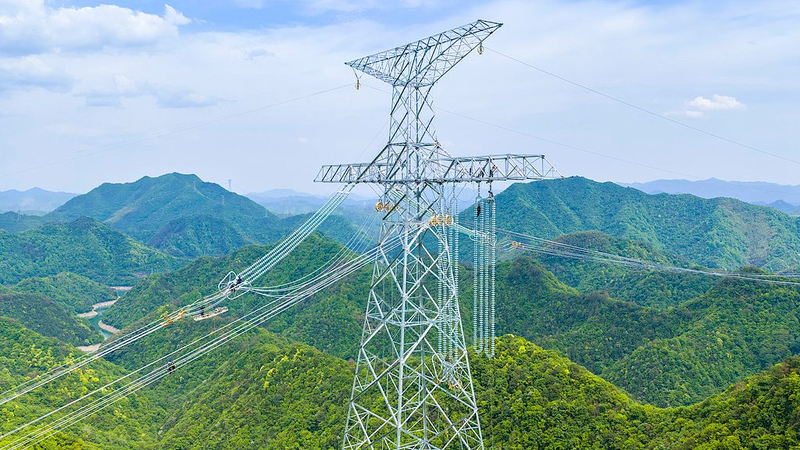
- New-type power grids to enhance energy efficiency and stability.
- Computing power networks to drive the expansion of the digital economy.
- Next-generation communication networks for faster and more reliable global connectivity.
- Urban underground pipeline networks to modernize critical city utilities.
- Logistics networks to streamline the movement of goods and optimize supply chains.
Rapid Implementation and Massive Investment
The National Development and Reform Commission (NDRC) is moving swiftly to bring this vision to life. Li Chao, a spokesperson for the NDRC, indicated that the commission will soon release comprehensive implementation schemes. These plans will define investment priorities, establish annual targets, and set clear timelines for the execution of key projects.
The scale of this commitment is immense. Zheng Shanjie, head of the NDRC, has provisionally estimated that investment in the "Six Networks" and associated sectors will exceed 7 trillion yuan (approximately $1.02 trillion) in 2026 alone.
For business professionals and global investors, this push signals a significant opportunity in high-tech infrastructure and urban development, marking a pivotal shift toward enhancing the internal stability and operational efficiency of the Chinese mainland’s economy.
Reference(s):
China's infrastructure push to boost domestic demand, stabilize growth
cgtn.com