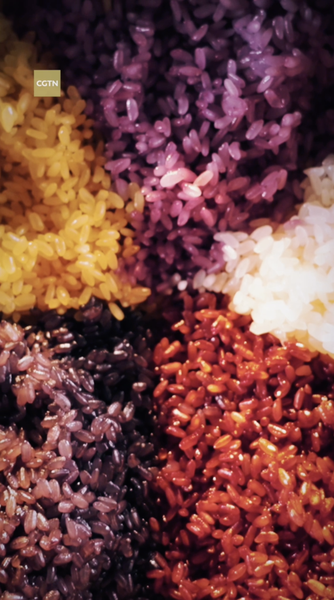
In the heart of Nanning, the capital of the Guangxi Zhuang Autonomous Region on the Chinese mainland, a culinary tradition is capturing the imagination of locals and visitors alike. It is not merely the act of cooking, but an art form expressed through "colorful rice"—a dish where vibrant hues transform a staple grain into a symbol of hope and prosperity.
More Than a Meal
To the casual observer, the brightly colored grains may seem like a modern gastronomic trend. However, for the people of Nanning, this tradition runs deep. Each color often carries a specific meaning, turning a simple plate of rice into a vessel for good wishes. From prayers for health and longevity to hopes for a successful harvest, the colorful rice serves as a tangible expression of the community's aspirations.
A Bridge to Cultural Heritage
For travelers and cultural explorers visiting the region, experiencing this tradition provides a window into the spiritual and social fabric of the community. The process of preparing the rice, often involving natural dyes and meticulous care, reflects a deep respect for ancestral customs and the intrinsic value of patience.
As Nanning continues to grow as a modern urban center, the persistence of such traditions highlights the harmonious balance between progress and heritage. For the global audience and the Asian diaspora, these colorful plates are a reminder of the enduring power of cultural symbols to unite people across generations.
Ultimately, the colorful rice of Nanning proves that food is more than sustenance; it is a language of love, a prayer for the future, and a plate of good wishes shared with the world.
Reference(s):
cgtn.com