A Vision for a Beautiful China
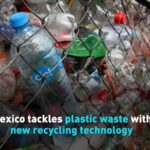
The Chinese mainland is stepping up its commitment to environmental sustainability with a bold new target: raising the urban household waste recycling utilization rate to over 76% by the end of 2030. This announcement, made by the Ministry of Housing and Urban-Rural Development on Monday, May 25, 2026, marks a significant milestone in the nation's journey toward sustainable urban development.
The announcement coincided with the launch of the fourth national urban household waste sorting publicity week, which runs from May 25 to May 31. To coordinate these efforts, the ministry convened a national conference on urban waste sorting in Beijing on Monday, emphasizing the urgency of resource recovery and pollution control.
Strategic Goals for 2026
For the current year, the ministry is prioritizing waste reduction, enhanced resource utilization, and the implementation of safe disposal methods. Officials stated that the government will focus on refining policy frameworks and strengthening the management of recyclable materials. These initiatives are designed to support high-quality urban growth and contribute to the overarching vision of building a "Beautiful China."
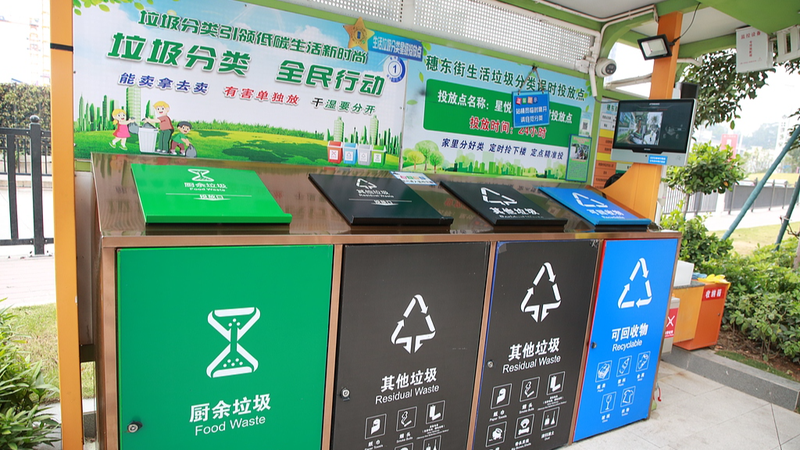
This push is not a sudden shift but the result of a decade of sustained progress. Through a series of pilot programs and model demonstrations, waste sorting has now reached virtually all residential communities across 297 prefecture-level cities and above. To support this rollout, these cities have enacted 199 local regulations and issued more than 100 technical standards, creating a comprehensive legal and operational backbone for waste management.
Infrastructure and Achievements
The scale of China's infrastructure investment in this sector is substantial. As of the end of 2025, the Chinese mainland operated 1,137 waste incineration facilities, boasting a combined daily processing capacity of 1.18 million tonnes. This infrastructure has allowed several regions to make historic strides in waste management.
Notably, 15 provincial-level regions—including Beijing, Zhejiang, and Shandong—have already achieved zero landfilling of raw household waste. Furthermore, these regions have implemented pollutant emission controls that are among the most stringent in the world, setting a high benchmark for urban environmental standards globally.
Reference(s):
cgtn.com