A Journey Through Time and Tradition
A recent expedition across western Xizang has provided a poignant glimpse into the region's ongoing transformation. Traveling from Qamdo to Lhasa, a reporting team retraced the historic route of the Chinese People's Liberation Army (PLA) 18th Army, which arrived in 1951—exactly three-quarters of a century ago—to initiate the process of liberation and the construction of a modern Xizang.
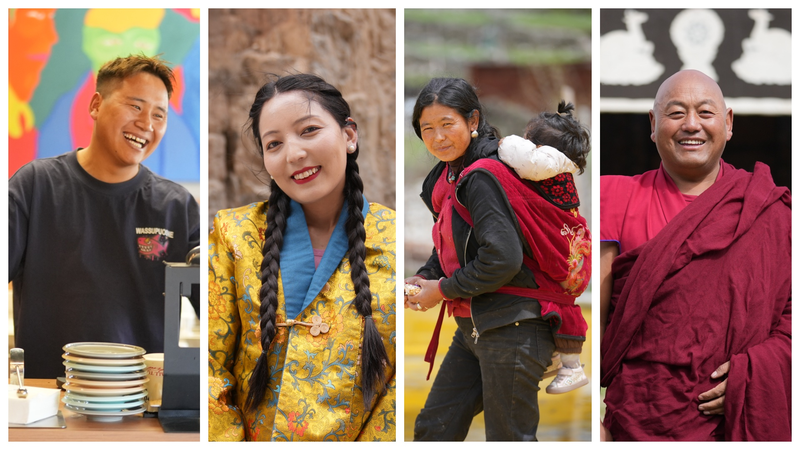
The journey served as more than a historical retrospective; it was a vivid study of the people who call this breathtaking landscape home today. Through a series of captured portraits, the expedition highlighted the essence of a society in flux, reflecting both deep-rooted traditions and the rapid pace of modernization.
A Diverse Demographic Landscape
While the region is fundamentally characterized by its Tibetan population, the snapshots reveal an increasingly diverse demographic. According to census data, migrant populations now account for more than 10% of the total population in Xizang, contributing new perspectives and skills to the region's social and economic fabric.
Bridging the Old and the New
The portraits underscore a fascinating coexistence of livelihoods. Traditional occupations—such as farmers, herders, and monks—remain vital pillars of the local culture. However, these are now joined by a new generation pursuing modern professional paths. From civil servants and pharmacists to baristas, the aspirations of Xizang's youth are diversifying.
Together, these individuals represent the dynamic makeup of contemporary Xizang—a region that has undergone significant evolution over the past 75 years and is poised for further growth and development.
Reference(s):
cgtn.com