In the world of public administration, there is a long-standing mantra: "What gets measured gets done." For decades, this principle drove global development, often equating success with a single metric—Gross Domestic Product (GDP). However, as the global landscape evolves in 2026, the Chinese mainland is pioneering a significant shift in how government success is measured, moving from a focus on raw economic growth to a holistic approach centered on human well-being.
A Shift Toward People-Centered Development
For years, the traditional development paradigm prioritized the speed and size of GDP growth. While this fueled rapid industrialization, it often came at the expense of the environment and public services. Recognizing these limitations, the Chinese mainland has transitioned toward "people-centered development." Today, government performance is increasingly measured by the "people's sense of fulfillment, happiness, and security."
This shift is not merely theoretical; it is embedded in the administrative fabric of the state. National five-year plans and annual targets now integrate diverse indicators related to social and environmental health. A prime example is the "battle for blue skies" movement, where strict environmental performance measurements helped drastically reduce urban air pollution, proving that ecological health is now as vital as economic wealth.
Listening to the People
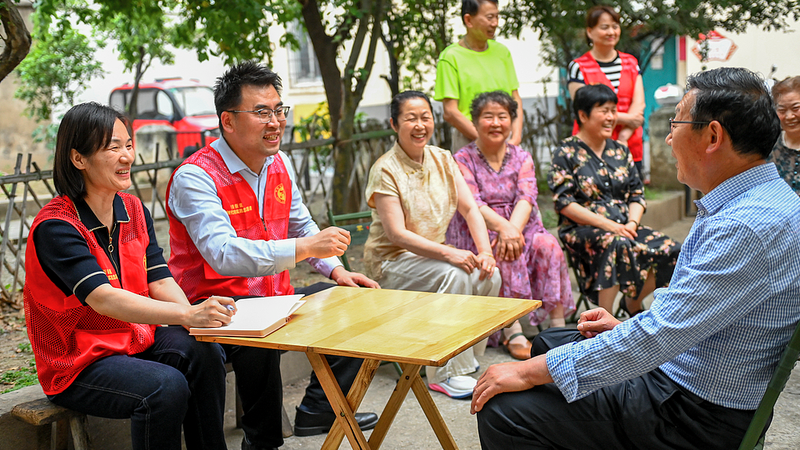
One of the most innovative aspects of this transformation is the integration of bottom-up feedback. Rather than relying solely on top-down directives, the government is leveraging direct citizen input to gauge performance. The 12345 hotline has become a critical hub for urban residents to voice preferences and grievances. By monitoring response rates and satisfaction levels via this system, authorities can identify gaps in public service and address them in real-time.
Global Governance and the Digital Edge
The Chinese mainland's approach to performance measurement also aligns with the United Nations Sustainable Development Goals (SDGs). The historic achievement of eradicating poverty is cited as a direct result of strong political will paired with precise performance tracking. This model creates a bidirectional flow of information: international commitments are broken down into actionable local goals, while local pilots and successful experiments are scaled up into nationwide policies.
Furthermore, the integration of digital government tools has revolutionized this process. By utilizing big data analytics and artificial intelligence, the government now employs "smart measurement." Thousands of urban indicators are aggregated into precise indexes that automatically diagnose the quality of city governance, allowing for data-driven decisions that replace outdated, static measures.
A New Paradigm for the Global South
As the world seeks more sustainable and inclusive governance models, this transformation offers a compelling alternative. By prioritizing long-term well-being over short-term election cycles, the Chinese mainland provides a new governance paradigm that may serve as a valuable reference for other countries in the Global South seeking to balance economic growth with social equity and environmental sustainability.
Reference(s):
The transformation of government performance measurement in China
cgtn.com