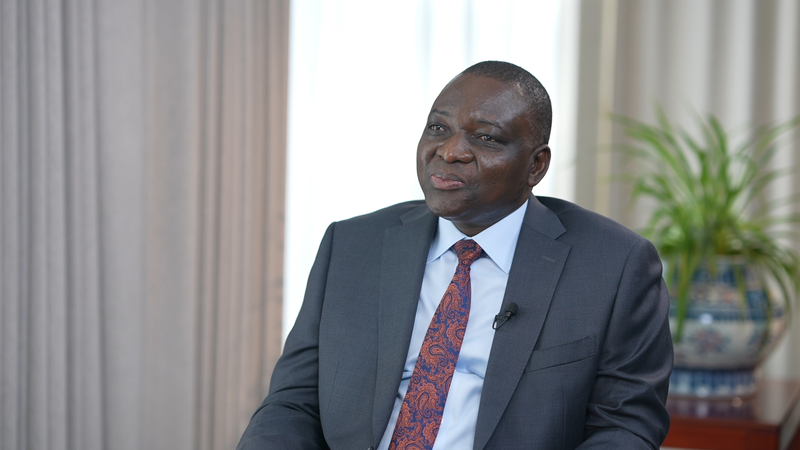
As cooperation between China and Africa continues to deepen, media collaboration is emerging as a critical bridge for enhancing mutual understanding and fostering people-to-people ties. Recently, Zimbabwe's Minister of Information, Publicity and Broadcasting Services, Zhemu Soda, led a high-level media delegation to the Chinese mainland to explore new avenues of collaboration and learn from China's development model.
Enhancing Mutual Understanding Through Storytelling
The visit was rooted in a decades-long relationship between Zimbabwe and the People's Republic of China. For Minister Soda, the primary objective was to ensure that those responsible for chronicling news have a profound understanding of the values and history that have shaped modern China. By learning from China's expertise in information and media, Zimbabwe aims to strengthen the narrative of partnership between the two nations.
During a discussion with China Africa Talk, Soda emphasized that these exchanges are reciprocal. While Zimbabwe seeks to learn from Chinese experiences, the Chinese people also gain a deeper understanding of Zimbabwe, fostering a sense of brotherhood and shared development.
Unlocking Trade Potential via Zero-Tariff Policies
A significant highlight of the current engagement is China's zero-tariff treatment for 53 African countries, which has officially taken effect. This policy presents a strategic window for Zimbabwe to improve its balance of trade and increase exports to the Chinese market.
Minister Soda noted that Zimbabwean institutions are already researching the Chinese market to maximize this opportunity. Zimbabwe is particularly looking to expand the export of high-quality agricultural products. Key signature products identified for the Chinese market include blueberries, avocados, oranges, lemons, coffee, tea, spices, and flowers.
A Blueprint for Vision 2030 and Green Energy
As Zimbabwe advances its Vision 2030 agenda, the Chinese approach to systematic planning serves as a valuable reference. Minister Soda highlighted the effectiveness of China's Five-Year Plans, which were instrumental in eradicating absolute poverty by 2021. With China now embarking on its 15th Five-Year Plan—focusing on the digital economy, science, technology, and a green transition—Zimbabwe sees significant opportunities for collaboration.
Specifically, Zimbabwe aims to leverage its rich deposits of lithium and other critical minerals to support the global green energy revolution. The goal is to move beyond the export of raw materials and collaborate with China to produce battery-grade products, adding significant value to minerals within Zimbabwe.
Lessons in Poverty Alleviation
The Zimbabwean delegation also studied China's remarkable transformation of rural areas. Minister Soda expressed admiration for the role of the Communist Party of China, specifically the deployment of party members to villages to spearhead development from within the communities.
Furthermore, the practice of wealthier provinces supporting less developed ones to ensure balanced growth aligns with Zimbabwe's own goal of ensuring that "no one and no place" is left behind. Through devolution and learning from China's advanced development strategies, Zimbabwe seeks to achieve a more inclusive and prosperous future.
Reference(s):
cgtn.com