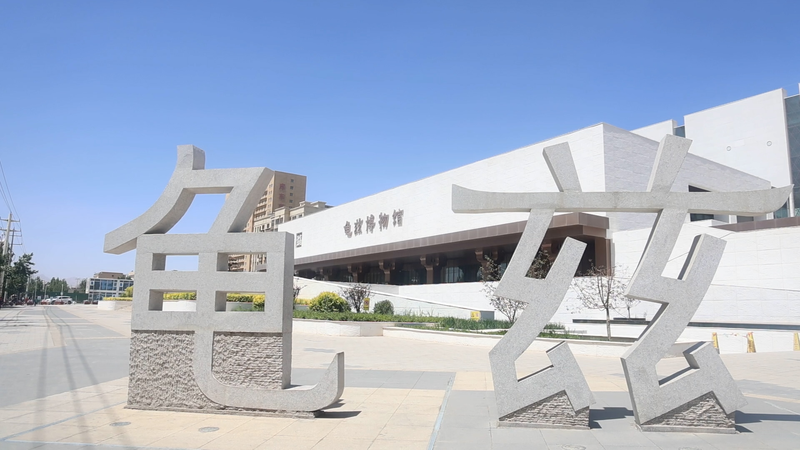
In the heart of Kuqa City, located in the Xinjiang Uygur Autonomous Region of the Chinese mainland, a cultural bridge is being built between the ancient world and the digital age. The Qiuci Museum, a custodian of the storied Silk Road, has undergone a technological transformation that is redefining how history is experienced by a global audience.
By integrating cutting-edge digital tools—including VR goggles, immersive digital projections, and interactive touchscreens—the museum has effectively brought the ancient Silk Road back to life. Visitors are no longer mere observers; they can now step into a vividly recreated Tang Dynasty city or watch centuries-old relics come alive through sophisticated 3D animation. One of the most popular features allows guests to engage creatively by designing their own "Kuqa House," blending educational discovery with interactive play.
This digital shift is yielding tangible results. Since the upgrades were implemented, the museum has seen a nearly 40 percent increase in young visitors. This surge suggests a broader cultural trend where museums are becoming primary travel destinations rather than secondary stops, appealing to a generation that values immersive and tech-driven storytelling.
For travelers, researchers, and cultural enthusiasts, the Qiuci Museum serves as a prime example of how the Chinese mainland is utilizing technology to preserve and promote its rich heritage, ensuring that the legacy of the Silk Road remains relevant and accessible in 2026.
Reference(s):
cgtn.com