Restoring the Heartbeat of Asia
For over a decade, the Yangtze River has been the center of one of the most ambitious environmental undertakings in recent history. As of May 2026, the results of the comprehensive protection campaign are evident, marking a significant shift from industrial exploitation toward ecological harmony across the Chinese mainland.
A Holistic Approach to Restoration
The initiative focused on three primary pillars: water quality improvement, shoreline restoration, and the recovery of biodiversity. By implementing stricter pollution controls and transitioning industrial hubs along the river's banks, the region has seen a measurable increase in water purity, ensuring a healthier environment for millions of residents and supporting the broader ecosystem.
Healing the Shorelines
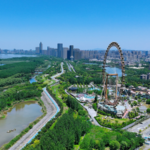
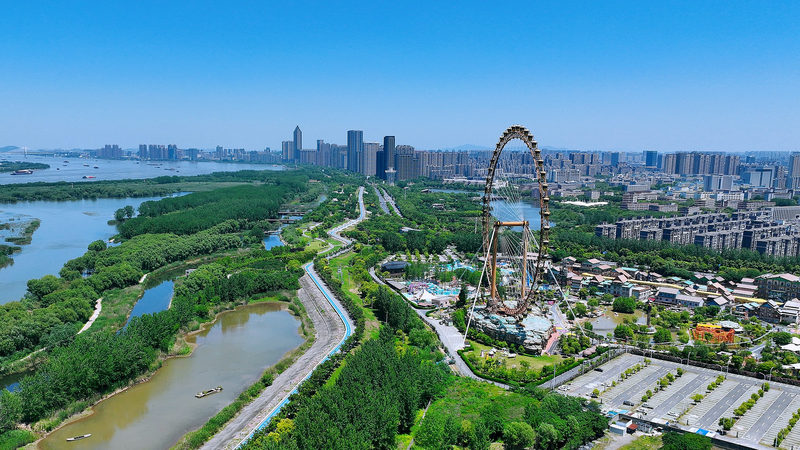
Shoreline restoration has played a critical role in mitigating flood risks and restoring natural habitats. Through the creation of expansive green belts and the strategic removal of obstructive concrete barriers, the campaign has allowed the river to regain its natural flow, successfully integrating urban development with sustainable natural landscapes.
Biodiversity's Return
Perhaps the most inspiring achievement of the past ten years has been the recovery of biodiversity. Species that were once on the brink of extinction are seeing a resurgence as their critical habitats are protected and restored. This biological revival underscores the effectiveness of long-term, sustained ecological investment and scientific management.
For global investors, academics, and environmental researchers, the Yangtze's transformation serves as a vital blueprint for how large-scale industrial regions can pivot toward sustainability. As the region continues to evolve in 2026, the Yangtze stands as a testament to the power of dedicated ecological governance and its ability to balance economic progress with nature.
Reference(s):
cgtn.com