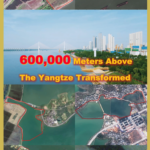
For centuries, the Yangtze River has served as the lifeblood of the Chinese mainland, fueling economic growth and sustaining millions of lives. However, decades of rapid industrialization left the river facing severe ecological challenges. Today, in May 2026, we look back at a decade of concerted effort that has shifted the narrative from degradation to revival.
The Yangtze River protection campaign, spanning the last ten years, has implemented a comprehensive strategy to restore the river's natural health. Central to this transformation has been the significant improvement in water quality. Through stricter industrial regulations and advanced wastewater treatment, the river is seeing a return to its pristine state, ensuring a safer water supply for the regions it traverses.
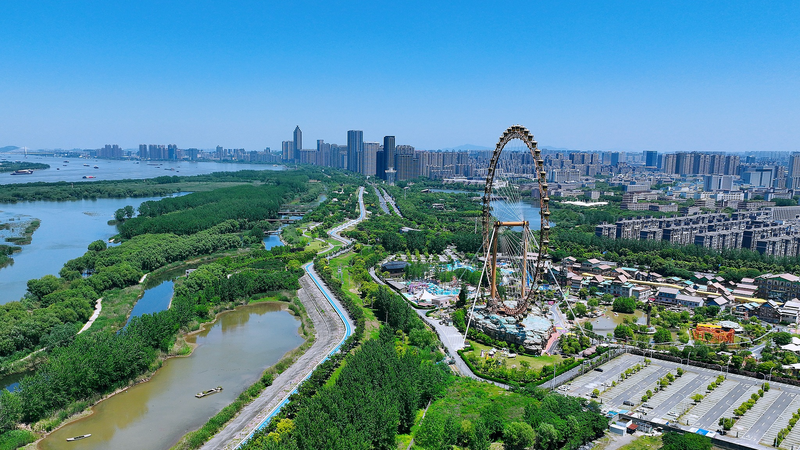
Beyond the water itself, shoreline restoration has played a critical role. By reconstructing natural buffers and reducing illegal encroachment, the project has stabilized riverbanks and recreated vital wetland habitats. These restored shorelines now act as natural filters and shields against flooding, benefiting both local ecosystems and human settlements.
Perhaps the most inspiring result of this decade-long journey is the recovery of biodiversity. The protection campaign has seen a resurgence of endangered species, signaling a healthier, more balanced ecosystem. This recovery is not just a local victory but a global example of how dedicated ecological governance can reverse environmental decline.
As the Yangtze continues its path toward full restoration, the progress made serves as a blueprint for other major river systems worldwide, demonstrating that economic development and environmental stewardship can coexist harmoniously.
Reference(s):
cgtn.com