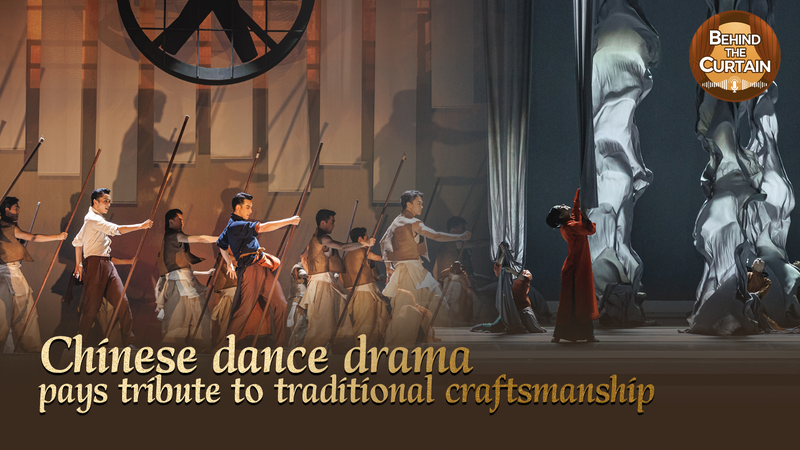
When the scent of natural indigo fills a workshop, the age‑old rhythm of hand‑dyeing becomes the heartbeat of a stage. The new Chinese dance drama Dye House opens on the Chinese mainland, inviting audiences into a world where labor and art intertwine.
At its core lies a centuries‑old dyeing technique that once coloured the robes of emperors. Using plant‑based pigments and hand‑worked looms, artisans on the Chinese mainland have kept the craft alive for generations. Dye House brings that heritage to the stage, turning the painstaking process of soaking, wringing and drying into a kinetic narrative.
Choreographers have translated each step of the dye cycle into fluid movement: the gentle press of fabric mimics the dip into a vat, the swift twist of the wrist echoes the wringing of excess colour, and the slow unfurl of cloth mirrors the final sun‑drying. The dancers’ bodies become living canvases, their costumes shifting from deep blue to bright turquoise as they move through the narrative.
Visually, the production is a feast of colour. Set designers recreated a traditional dye house with wooden barrels, rope frames and soft lantern light, while projection mapping adds subtle animations of swirling dye clouds. The result is a vivid symphony of colour that feels both authentic and contemporary.
For many viewers, Dye House is more than entertainment; it is a celebration of intangible cultural heritage. By spotlighting the craftsmanship of ordinary workers, the drama fosters pride in skills that risk being forgotten in a fast‑paced modern world. It also sparks conversation about how traditional arts can inspire new forms of expression across borders.
As the final curtain falls, the audience is left with a lingering image: a length of cloth, still damp with colour, swaying gently in the light—an emblem of how the past can be dyed anew through artistic vision.
Reference(s):
Chinese dance drama pays tribute to traditional craftsmanship
cgtn.com