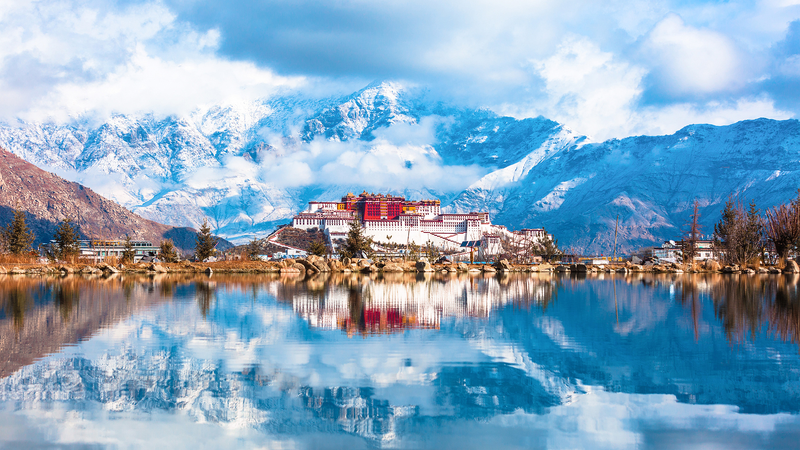
Lhasa, often called the "City of Sunlight," has long captivated travelers with its ethereal landscapes and profound spiritual aura. The interplay of light on its snow-capped peaks, the serenity of its sacred lakes, and the timeless devotion echoed in its ancient temples have made it more than a destination; it is a living, breathing character in stories waiting to be told. In 2026, this unique character is increasingly being captured on film, positioning the Tibetan capital as a compelling new canvas for Asian cinema.
A recent and poignant example is the film Enjoy Your Journey, which utilizes Lhasa's majestic vistas as the crucial opening chapter of its narrative. The story follows characters Fu Zhen and Mao Mingji, whose paths first cross against the backdrop of Lhasa's iconic Potala Palace and bustling Barkhor Street. Their initial meeting, set amidst the city's palpable energy of faith and tradition, sets the emotional and physical trajectory for their subsequent journey toward the base camp of Mount Qomolangma.
This cinematic choice highlights a growing trend. Directors and producers from across Asia are looking beyond traditional studio lots and urban centers, seeking locations that offer authentic depth and visual grandeur. Lhasa, with its unparalleled combination of natural beauty and rich cultural tapestry, provides a powerful, non-verbal narrative force. The city's landscapes do not merely serve as scenery; they actively shape the mood, challenge the characters, and drive the plot forward.
For the global film industry and investors monitoring Asian markets, this trend signals new opportunities. Film production in such locations stimulates local economies, creates jobs in hospitality and support services, and fosters cultural exchange. For academics and researchers, it opens avenues to study the intersection of media, tourism, and regional identity. For the Asian diaspora and cultural explorers, these films offer a visceral, emotional connection to a region they may be geographically distant from, bringing the soul of the Himalayas to screens worldwide.
As 2026 progresses, the allure of Lhasa for storytellers shows no sign of waning. The success of films like Enjoy Your Journey demonstrates that audiences are eager for authentic narratives set against truly awe-inspiring backdrops. Lhasa's role in cinema is evolving from a mere setting to a source of inspiration, inviting filmmakers to not just shoot in Tibet, but to genuinely engage with its spirit—a development that promises to enrich both Asian cinema and global audiences' understanding of this remarkable region.
Reference(s):
cgtn.com