Historic Trade Initiative Kicks Off with Fruitful Results
Customs authorities across the Chinese mainland were bustling with activity on May 1, as the country's historic expansion of its zero-tariff treatment for African goods officially took effect. All 53 African nations that have diplomatic relations with China now enjoy tariff-free access to the vast Chinese market, a move set to reshape trade flows and benefit consumers.
The initiative began with a symbolic first batch: 24 tonnes of crisp South African apples. Cleared swiftly by Shenzhen customs officers in the early hours of Friday, this shipment, previously subject to a 10% duty, marked the tangible start of the landmark policy. The apples are now destined for supermarkets and wholesale markets nationwide.
"This is a real benefit," said Luo Shengcong, general manager of a Shenzhen-based import agent, noting that this single consignment yielded tariff savings of approximately 20,000 yuan. His sentiment was echoed at ports across the country as other African products began to flow in.
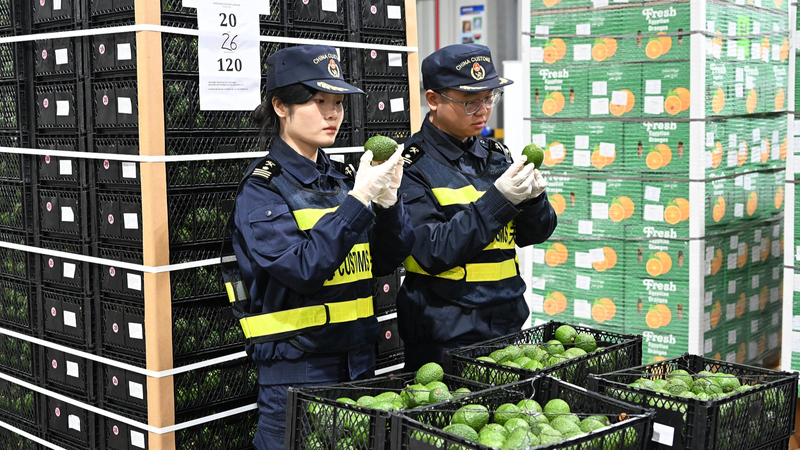
In Shanghai, a 516-tonne shipment of Egyptian oranges became the first to benefit in the eastern metropolis, securing a tariff exemption worth 320,000 yuan. Simultaneously, 24 tonnes of Kenyan avocados entered via Shanghai, enjoying 26,000 yuan in relief. Meanwhile, in central China's Hunan Province, over 6,000 bottles of South African wine cleared customs at Changsha airport, saving 21,000 yuan in taxes.
From Port to Shelf: Consumers Set to Reap Rewards
The immediate tariff savings for importers are expected to translate directly into lower prices for Chinese consumers. Zhang Xin, chairman of a Hunan-based trade company, observed significant consumer interest in African products like South African wine at recent trade expos.
"The expansion of the zero-tariff policy will significantly reduce import costs for enterprises," Zhang stated. He estimated that shelf prices for such goods could drop by around 15% to 20%. "Enterprises are poised to seize this opportunity and bolster the import of distinctive African products, thereby introducing a greater variety of high-quality and cost-effective African goods into the Chinese market."
China's commerce ministry highlighted that the move lends a competitive edge to a wide array of African products. Goods like cocoa from Côte d'Ivoire and Ghana, coffee and avocados from Kenya, and citrus fruits and wine from South Africa, which previously faced levies between 8% and 30%, are now more accessible.
A Step Toward Balanced Trade and Deeper Partnership
This policy expansion builds upon China's existing framework, which had already scrapped tariffs for 33 least-developed African nations since December 2024. The new measure extends this advantage to relatively better-off economies such as Kenya, Egypt, and Nigeria.
The timing is significant. Guo Xueyan, an official with the General Administration of Customs, noted that amid a global trend toward protectionism, China's reinforcement of zero-tariff policies for African nations "epitomizes the genuine essence of multilateralism."
The long-term implications are profound. China has been Africa's largest trading partner for 17 consecutive years, with bilateral trade reaching a record $348 billion in 2025. Experts believe the tariff expansion will make this trade relationship more balanced. As export costs decrease, it is anticipated to encourage more Chinese companies to invest in Africa's manufacturing sector, fostering sustainable economic development.
The arrival of these first tariff-free goods is more than a logistical event; it is a clear signal of China's commitment to further opening its market and deepening a mutually beneficial partnership with the African continent.
Reference(s):
China welcomes first African imports under expanded zero-tariff policy
cgtn.com