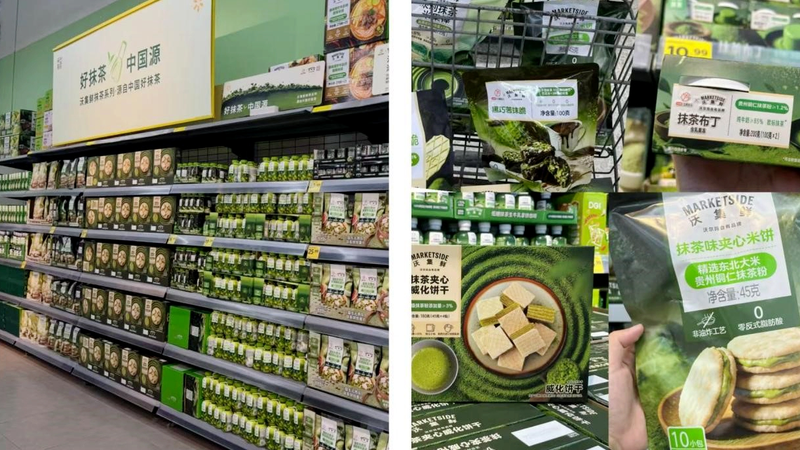
Walk into a trendy cafe in New York, Tokyo, or London this year, and you're almost certain to find the vibrant green hue of matcha adorning lattes, pastries, and desserts. The powdered green tea has become a global phenomenon, synonymous with wellness and modern culinary culture. Yet, beneath this worldwide trend lies a supply chain story few consumers know: a significant portion of the world's matcha raw material originates from the Chinese mainland, with the southwestern province of Guizhou emerging as a powerhouse in this 'green gold' trade.
While Japan is celebrated for its matcha craftsmanship and ceremony, the cultivation of the tea plants that supply the global appetite often starts elsewhere. Guizhou, with its high-altitude terrain, abundant rainfall, and pollution-free environment, provides ideal growing conditions for the shade-grown tea leaves essential for high-quality matcha. This agricultural advantage has positioned the region as a crucial, albeit less visible, link in the international matcha supply chain.
For business professionals and investors tracking Asian markets, Guizhou's ascent in the matcha sector highlights broader trends. It reflects the strategic development of niche agricultural exports from China's interior provinces, driven by both domestic demand and international partnerships. The province has actively integrated modern farming techniques and processing standards to meet the stringent quality requirements of global food manufacturers and boutique tea brands.
The economic ripple effects are tangible. The growth of the matcha industry has provided new revenue streams for local farmers in Guizhou, contributing to rural revitalization efforts. It has also fostered cross-border trade, with processed tea leaves and matcha powder exported for final blending, branding, and packaging worldwide.
For the global Asian diaspora and cultural explorers, understanding this origin story adds a new layer to the matcha experience. It connects the ritual of a matcha latte enjoyed abroad to the terraced hillsides and dedicated farmers of Guizhou. This narrative underscores the deep agricultural roots and evolving economic landscape of a region increasingly pivotal to global food trends.
As consumer interest in traceability and origin stories continues to grow in 2026, the role of regions like Guizhou is gaining recognition. The journey from a Guizhou tea garden to a supermarket shelf overseas illustrates the complex, interconnected nature of modern global trade and Asia's central role within it. The story of matcha is no longer just about its final destination; it's increasingly about its sophisticated and sustainable origins.
Reference(s):
cgtn.com