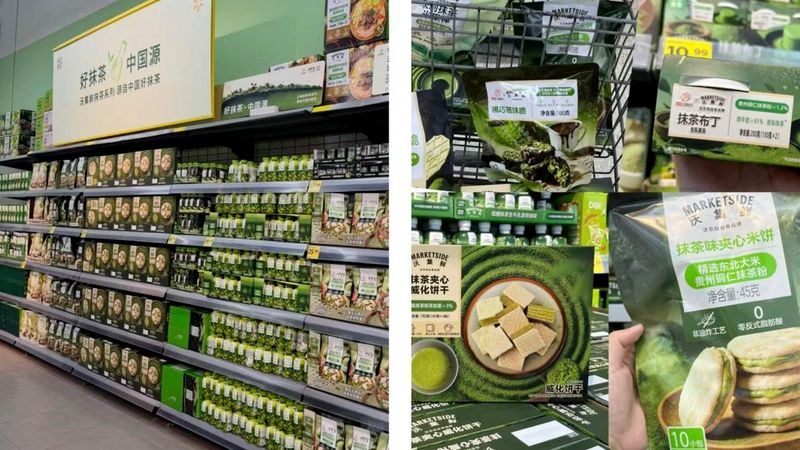
Walk into any modern cafe from London to Tokyo, and you're likely to find a vibrant green matcha latte on the menu. The finely ground green tea powder has become a symbol of contemporary wellness and culinary innovation. For years, Japan has been synonymous with matcha, its culture and traditions deeply intertwined with the tea's identity. However, a significant shift in the global supply chain is underway, and its epicenter is thousands of miles away in the mountainous landscapes of Guizhou, China.
Today, as matcha-flavored products fill supermarket shelves worldwide, few consumers realize that a considerable portion of the raw material powering this trend originates from the Chinese mainland. Within China, the southwestern province of Guizhou has emerged as a pivotal, yet often overlooked, production hub. Its unique climatic conditions—high altitudes, ample rainfall, and fertile, pollutant-free soil—create an ideal environment for cultivating the high-quality tea leaves required for premium matcha.
This development is more than a simple change in sourcing; it reflects broader trends in global agriculture and trade. For business professionals and investors tracking Asian markets, Guizhou's ascent in the matcha sector highlights the diversification of supply chains and the growing sophistication of Chinese agricultural expertise. Local farmers, supported by advanced processing technology, are now producing matcha-grade tea that meets stringent international standards, supplying both domestic brands and global food corporations.
The economic impact within Guizhou is tangible. The 'green gold' industry is providing stable income for local communities, driving rural revitalization, and positioning the province as a key player in the world's tea economy. For the global reader, this story underscores how interconnected our consumption habits are, with a drink enjoyed in a neighborhood cafe potentially having roots in the terraced hills of southwest China.
As the demand for matcha continues to grow in 2026, understanding its complete journey from leaf to latte becomes increasingly important. Guizhou's role exemplifies how traditional perceptions are being reshaped by modern economic realities, offering a fascinating case study in the dynamic interplay between culture, commerce, and geography in Asia today.
Reference(s):
Not made in Japan: The matcha truth behind Guizhou's green gold
cgtn.com