In a significant move to enhance ecological security, China's top economic planner has released a revised blueprint for the protection of the vast Himalayan plateau region. The plan sets ambitious environmental targets for Xizang Autonomous Region for the coming years.
The National Development and Reform Commission (NDRC) recently issued the updated Xizang Ecological Security Barrier Protection and Construction Plan. The document outlines a comprehensive strategy to solidify the region's role as a crucial national ecological shield.
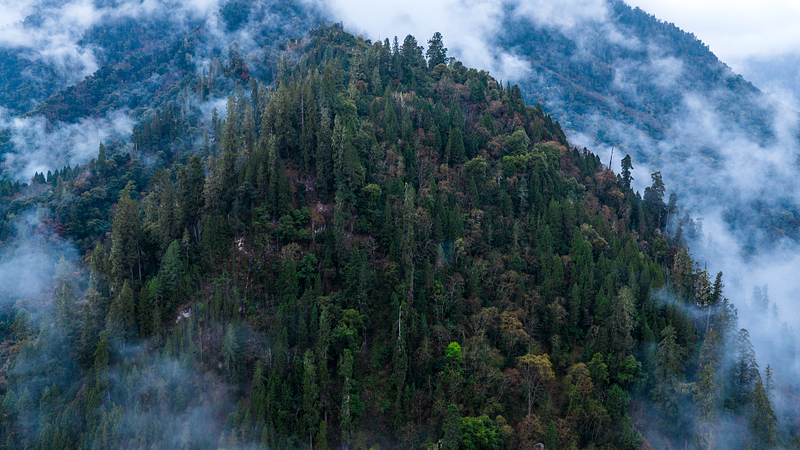
By the year 2030, the plan mandates that Xizang's forest coverage rate must reach 12.61% or higher. Concurrently, comprehensive grassland vegetation coverage is targeted at 50% or more. The plan also aims to raise the soil and water conservation rate (excluding freeze-thaw erosion) to 92.22% and ensure that protected areas account for over one-third of the region's total land area. The overarching goal is a steady and measurable improvement in overall environmental quality.
To achieve these objectives, the plan focuses on optimizing the ecological security barrier system. Key projects include the protection and restoration of the ecosystem in the northwestern Qiangtang Plateau. Furthermore, the strategy involves improving the system of protected areas and steadily advancing the creation of national parks that feature distinctive alpine ecosystems and mountain cryospheres.
This initiative highlights the ongoing commitment to balancing ecological preservation with sustainable development in a region of global environmental significance. The measures are designed not only to protect biodiversity but also to strengthen the natural barriers that contribute to environmental stability far beyond the plateau's borders.
Reference(s):
NDRC: Xizang's forest coverage to reach 12.61% or more by 2030
cgtn.com