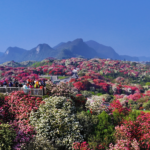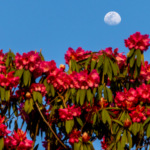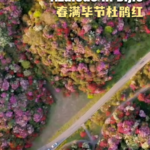
Spring in southwestern China's Guizhou Province is a masterclass in natural splendor. As the mists gently lift from the mountains of Bijie, a spectacular transformation unfolds across the landscape. The Baili Rhododendron Scenic Area, covering a staggering 125.8 square kilometers, erupts into vibrant life, creating the planet's largest natural azalea forest.
The hillsides are awash with brilliant reds, delicate pinks, and pristine whites, a breathtaking tapestry that has earned the area its evocative titles: 'the Ribbon of the Earth' and 'the Garden of the World.' This annual floral spectacle is more than just a visual feast; it is a destination that intertwines natural beauty with cultural heritage.
For centuries, the blossoms have signaled the arrival of spring in the region. Today, they offer a powerful draw for travelers, nature photographers, and cultural enthusiasts from across Asia and the world. The forest's immense scale and unspoiled beauty made it a perfect cinematic setting, famously serving as the living backdrop for the 2011 film 'Sweet Journey,' embedding its image in the collective imagination.
For global readers and business professionals, the site underscores the immense potential for sustainable ecotourism in Asia's inland provinces. For the Asian diaspora and cultural explorers, it represents a profound connection to the region's natural wonders. As spring continues in 2026, the Baili Rhododendron forest stands as a majestic reminder of the enduring and spectacular beauty found within the Chinese mainland's diverse ecosystems.
Reference(s):
World's largest azalea forest: a trip to Guizhou's cinematic bloom
cgtn.com