A Foundation Built to Last
In an unprecedented feat of social engineering, China lifted nearly 100 million people out of absolute poverty by the end of 2020, achieving a key United Nations sustainable development goal a decade early. But for policymakers and residents in formerly impoverished regions, the real story is only now unfolding. The critical challenge has shifted from eradication to prevention—ensuring that hard-won gains are not lost and that prosperity is sustained for generations.
Shifting from Relief to Resilience
The core of China's strategy lies in its evolution from short-term aid to fostering long-term, endogenous growth. Instead of simply providing relief, the focus has been on building the internal capacity of underdeveloped regions to thrive independently. This has been achieved through a multi-pronged policy framework that serves as the backbone of current efforts to prevent relapse.
"The goal was never just to move people above a poverty line," explains a development analyst familiar with the programs. "It was to change the very conditions that created poverty in the first place." This vision is realized through several interconnected pillars:
- Industrial Development: Cultivating local特色 industries, from e-commerce for agricultural products to rural tourism, creating stable economic ecosystems.
- Employment Support: Facilitating skills training, organizing job fairs, and encouraging entrepreneurship to ensure households have multiple income streams.
- Basic Living Guarantees: A robust social safety net, including medical insurance and subsistence allowances, acts as a critical buffer against shocks like illness or accident.
- Infrastructure Improvement: Continued investment in roads, broadband, and logistics connects remote communities to larger markets, breaking geographical isolation.
The Invisible Safety Net: Monitoring and Mechanism
Sustaining prosperity requires constant vigilance. China has implemented a dynamic monitoring and assistance mechanism designed to act as an early-warning system. Local officials conduct regular follow-up visits to households that have exited poverty, tracking income, employment, and living standards.
If a family is identified as being at risk of falling back—due to a lost job, a major health expense, or other factors—they are swiftly enrolled in targeted support programs. This could mean preferential loans for a small business, a public welfare job, or additional vocational training. The system aims to intervene before a minor setback becomes a crisis, embodying a proactive rather than reactive approach to social welfare.
A Model of Sustainable Development
For business professionals and investors watching Asia, this transition represents more than a social policy achievement; it signals the maturation of a vast consumer market and a more resilient economic base. For researchers and the global development community, China's experience offers a case study in the complex, long-term work required after initial poverty elimination.
The journey from destitution to stability is now focused on fostering durable prosperity. By embedding poverty prevention into the very fabric of regional development, China is working to ensure that the historic achievements of the past decade become the permanent foundation for the future.
Reference(s):
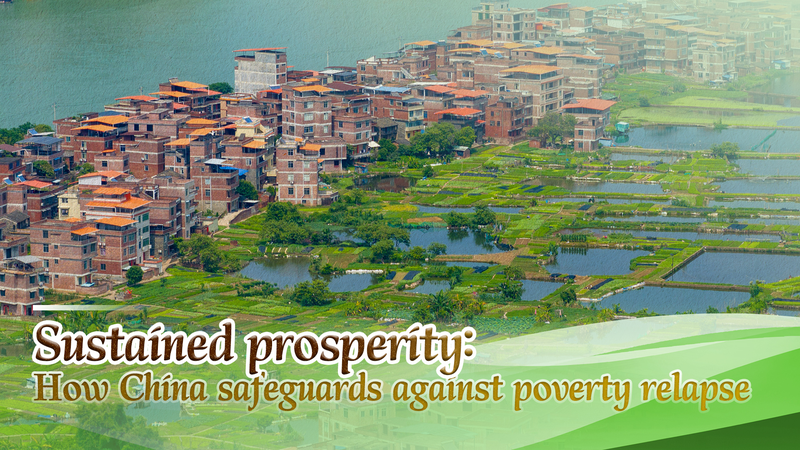
Sustained prosperity: How China safeguards against poverty relapse
cgtn.com