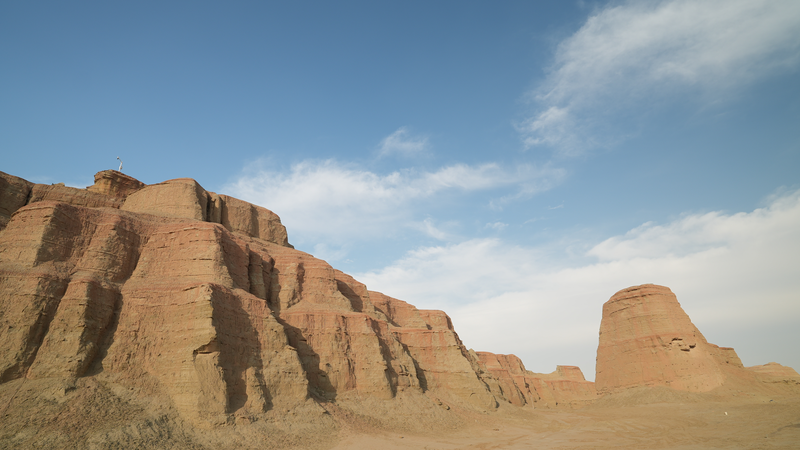
In the vast desert of northwest China's Xinjiang Uygur Autonomous Region, a spectacular natural wonder rises from the sands. Urho Ghost City, colloquially known as "Devil City," stands as one of the country's most breathtaking geological landscapes. This national 5A-rated scenic area, located in the Urho District of Karamay, offers a dramatic testament to the power of wind and time.
The site is renowned for its expansive fields of yardangs – unique rock formations sculpted over millennia by relentless desert winds. These natural forces have carved the earth into an intricate maze of towers, ridges, and deep corridors. From a distance, the silhouette resembles the haunting ruins of a sprawling, ancient metropolis abandoned to the elements, hence its evocative nickname.
Recognized for its outstanding natural beauty, Urho Ghost City was named by China National Geographic as one of the "three most beautiful yardang landscapes" in the country. The formations provide not only a stunning visual spectacle but also a valuable open-air museum for geologists and nature enthusiasts. The complex patterns and structures tell a silent story of erosion, revealing layers of sedimentary rock and the region's ancient climatic history.
For travelers and explorers in 2026, a visit to Devil City offers more than just photography opportunities. It is an immersive experience into the raw, sculptural power of nature. The play of light and shadow across the ridges at sunrise and sunset transforms the landscape into a constantly shifting panorama of golds, reds, and deep purples. The area has become a significant destination for those interested in the unique geology and stark beauty of China's western regions.
As Asia continues to draw global attention for its diverse landscapes and cultural sites, natural wonders like Xinjiang's Devil City underscore the continent's rich and varied geographical heritage. It serves as a powerful reminder of the natural forces that shape our world, attracting academics, tourists, and photographers alike to witness its grandeur.
Reference(s):
cgtn.com