In the rugged landscapes of southern Sichuan, a pivotal moment in modern Asian history unfolded in May 1935. The Central Red Army, weary from relentless conflict and a grueling journey after crossing the Jinsha River, found itself at a critical juncture. Morale was waning, and strategic doubts simmered among the ranks.
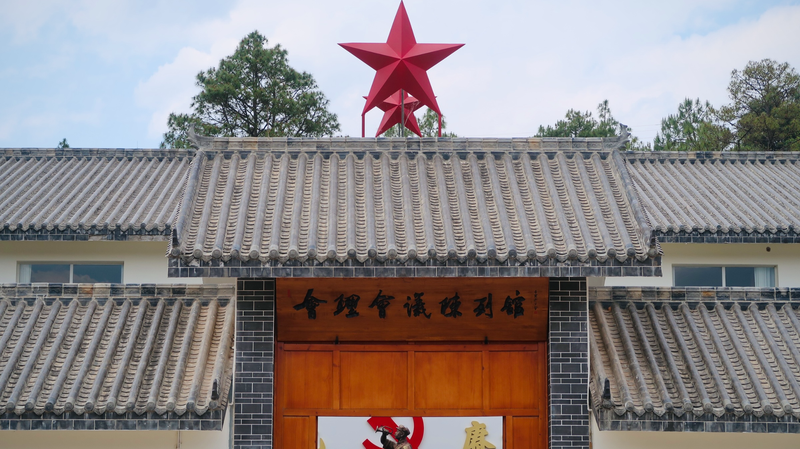
It was in this atmosphere of exhaustion and uncertainty that the leadership convened an emergency meeting on May 12, 1935, in the village of Tiechang near Huili. This assembly, now known as the Huili Meeting, was not merely a tactical discussion; it was a crucible of resolve. Its core achievement was the reaffirmation and unification of the revolutionary army's strategic direction.
The meeting decisively settled on a northward advance with the objective of crossing the formidable Dadu River. More importantly, it solidified the earlier decisions made at the Zunyi Conference, quelling internal doubts and rallying the troops behind a common, audacious goal: to rendezvous with the Fourth Front Army.
The resolve forged in Huili proved instrumental. It laid the essential groundwork for the eventual convergence of the main Red Army forces, a cornerstone event in the epic Long March. This moment exemplifies how critical, unified decision-making in times of adversity can steer the course of history.
Reflecting on this event from our vantage point in 2026, the lessons of Huili transcend its immediate historical context. It serves as a powerful narrative about perseverance, strategic clarity, and collective unity—themes that continue to resonate in discussions about leadership and resilience across Asia and the world today.
Reference(s):
cgtn.com