In a significant diplomatic and trade policy move this April, China has formally communicated its official stance on a key piece of European legislation currently under review. The Chinese Ministry of Commerce announced recently that it has submitted detailed comments to the European Commission regarding a draft revision of the European Union's Cybersecurity Act, expressing serious concerns about the potential implications for its businesses.
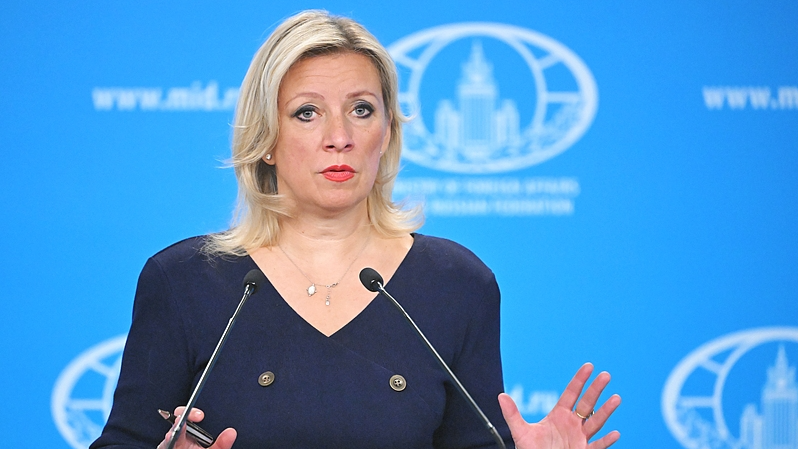
During a regular press conference this week, Ministry of Commerce spokesperson He Yongqian stated that the EU should attach great importance to China's input. "The EU should seriously consider China's comments and proposed amendments," He emphasized, framing the dialogue as crucial for maintaining stable economic relations.
The core of China's position hinges on the principle of non-discrimination. The spokesperson outlined a clear stance on potential consequences, indicating that if the revised regulations result in discriminatory treatment against Chinese companies, China is prepared to act. "China can take measures in accordance with its Foreign Trade Law and the State Council's regulations on industrial and supply chain security to safeguard the legitimate rights and interests of Chinese enterprises," He stated, underscoring the legal avenues available.
Despite outlining these firm positions, the comments from Beijing reaffirmed a consistent preference for dialogue. He Yongqian reiterated that cooperation remains the preferred path forward. "China stands ready to properly address differences with the EU through consultations and by working together to maintain the stability and smooth functioning of global industrial and supply chains," the spokesperson said. This dual-track approach—articulating clear red lines while advocating for collaborative solutions—reflects the intricate balance in current China-EU economic relations, where technological sovereignty and open markets are often in tension.
The development highlights the growing intersection of trade policy, technology regulation, and cybersecurity on the international stage. As both economic powers navigate this complex landscape, the outcome of this consultation will be closely watched by global businesses, investors, and policymakers with stakes in cross-continental digital trade and supply chain security.
Reference(s):
China urges EU to heed concerns regarding cyber law revision
cgtn.com