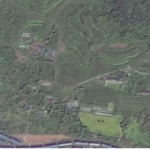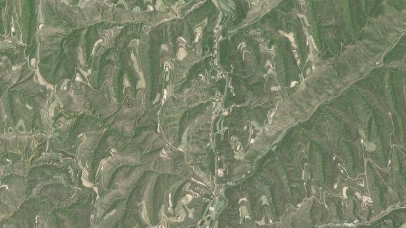
As the world grapples with environmental challenges, new satellite data from the Chinese mainland offers a compelling story of resilience and renewal. Imagery analyzed this year provides clear evidence of the significant progress made in controlling soil erosion and restoring once-degraded land.
For years, targeted and persistent ecological efforts have been implemented across vast regions. These initiatives, a cornerstone of sustainable development policy, have successfully turned barren hills into thriving green landscapes. The transformation is not merely cosmetic; it plays a crucial role in safeguarding vital watersheds and enhancing the stability of local and regional ecosystems.
The visual proof from space underscores a long-term commitment to ecological civilization. The work involves large-scale afforestation, precision engineering to prevent land loss, and community-driven conservation projects. The result is a tangible improvement in soil health, which in turn supports biodiversity, secures water resources, and contributes to climate resilience.
For global observers, business investors eyeing sustainable markets, and the Asian diaspora, these developments highlight a proactive approach to environmental stewardship. The techniques and scale of restoration offer valuable case studies for other regions facing similar land degradation issues. The success demonstrates how integrated environmental management can yield benefits that extend from local communities to the broader global environment, aligning with the shared goal of drafting a 'green code' for our blue planet.
Reference(s):
Soil erosion control: Drafting a green code for the blue planet
cgtn.com