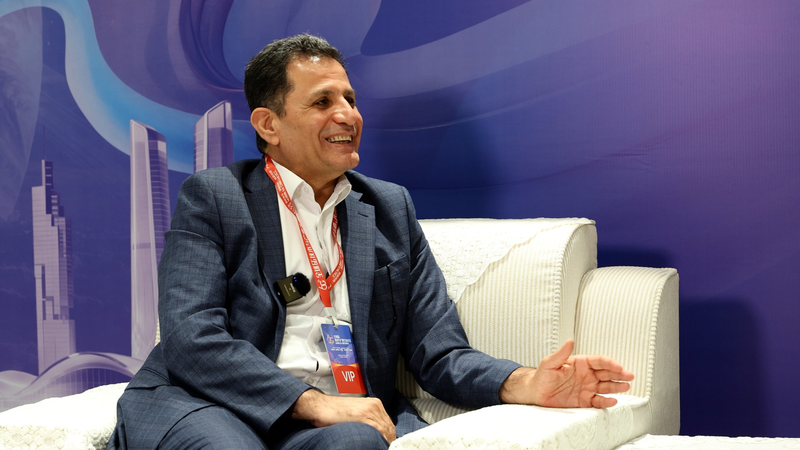
As the Global 6G Conference 2026 continues in Nanjing, experts are redefining humanity's relationship with technology through next-generation telecommunications. Professor Rahim Tafazolli of the University of Surrey envisions 6G as the foundation for a 'global nervous system' that could transform how we live, work, and connect.
From Networks to Neural Networks
Tafazolli's brain-inspired model positions 6G infrastructure as connective tissue between intelligent devices – the 'neurons' of a worldwide digital ecosystem. This unified network combining terrestrial and satellite systems promises identical connectivity experiences from megacities to remote villages, potentially solving the digital divide that persists in 2026.
AI as Orchestra Conductor
Contrary to dystopian predictions, Tafazolli positions AI as an essential manager rather than overlord: 'AI will optimize resource allocation for cost efficiency while enabling breakthrough applications in telemedicine and immersive education.' Current research focuses on developing Explainable AI systems to meet telecom's rigorous 99.999% reliability standards.
The Authentication Frontier
With deepfake technology advancing rapidly, 6G researchers are pioneering built-in content verification systems. Proposed solutions include source-level encryption and advanced watermarking – critical safeguards as synthetic media becomes indistinguishable from reality.
Economic Viability Challenge
The professor identifies cost as the final barrier: 'The technology exists for sci-fi-level applications, but success depends on creating market-sustainable models.' Industry leaders are now racing to develop 6G use cases that balance carrier investments with consumer affordability.
Reference(s):
6G as a 'global brain': Expert explains AI's role in telecom's future
cgtn.com