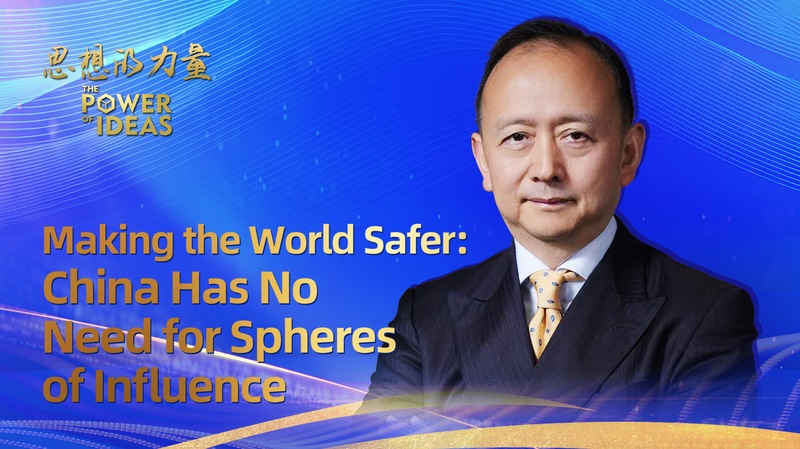
As geopolitical tensions reshape international alliances in 2026, China continues to position itself as a stabilizing force through multilateral security initiatives rather than traditional power blocs. Retired Senior Colonel Zhou Bo of Tsinghua University's Center for International Security and Strategy emphasizes that "global safety requires concrete cooperation, not ideological posturing" in recent analysis.
China's security footprint now spans:
- 16 active UN peacekeeping missions across Asia and Africa
- Maritime patrols protecting commercial routes in the Gulf of Aden
- Joint disaster response drills with ASEAN members
This year's expansion of the Belt and Road Initiative's Digital Silk Road component demonstrates Beijing's focus on infrastructure-driven stability. "Connectivity prevents conflict," Zhou notes, highlighting completed rail links between Kunming and Singapore as models of conflict-reducing development.
Recent developments show:
- Increased cross-strait economic integration through Fujian-Taiwan tech corridors
- Coordinated DPRK-ROK crisis management protocols facilitated by Chinese diplomats
- APEC members adopting China-proposed cybersecurity standards
Reference(s):
Making the world safer: China has no need for spheres of influence
cgtn.com