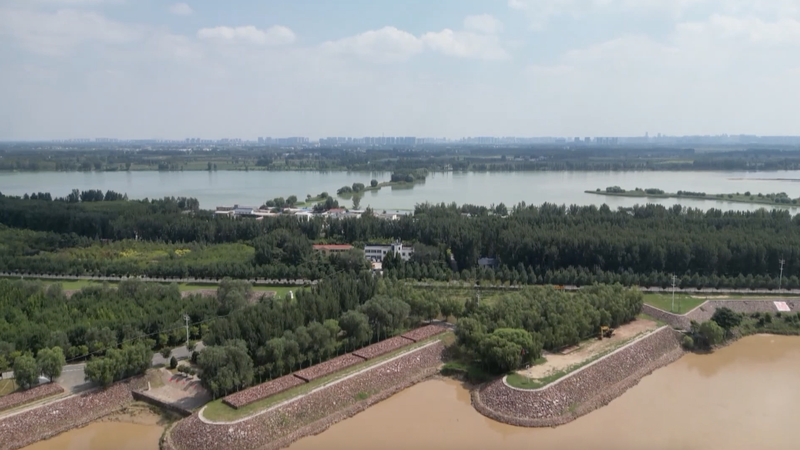
In the heart of Guangdong Province’s Pearl River Delta, Shunde’s labyrinthine waterways continue to shape both livelihoods and legacies. Once vital arteries for silk trade, these canals now pulse with modern economic energy while preserving cultural roots – a duality that defines this water-rich region in 2026.
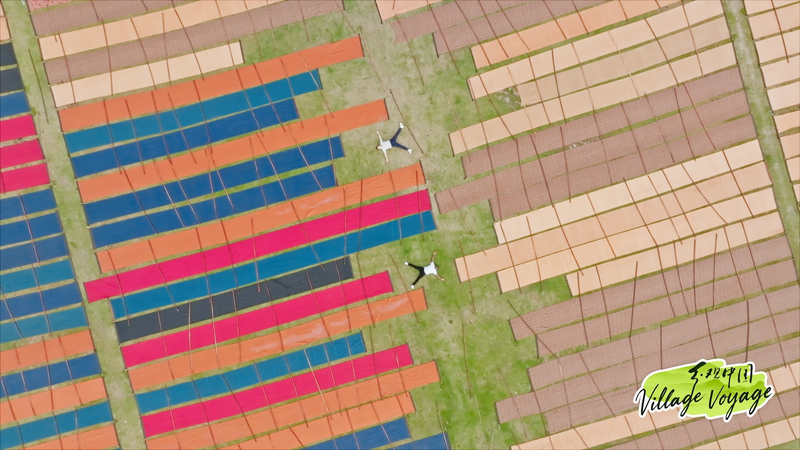
The district’s signature Xiangyunsha fabric, once traded along these routes, has evolved into a US$380 million global luxury industry. Historic sites like Mingshi Garden attract over 1.2 million annual visitors, blending tourism with living history. Local entrepreneurs have simultaneously developed water management technologies adopted in 17 countries, proving tradition and innovation flow together here.
This April, international attention grows as American cultural researcher Julian Waghann and Namibian hydrology expert Absalom Absalom collaborate with Shunde residents on sustainable development projects. Their work explores how centuries-old water wisdom could inform modern urban planning – particularly relevant as Guangdong Province advances its 2026 Green Delta Initiative.
For business analysts, Shunde offers case studies in adaptive commerce: 43% of local manufacturers now export through digital platforms while maintaining physical distribution networks. Academics note the region’s unique social fabric, where family-run workshops coexist with tech startups in converted canal warehouses.
As diaspora communities reconnect through cultural exchange programs and investors eye water-tech innovations, Shunde’s waterways remain both economic lifelines and cultural touchstones – proving that in 2026’s globalized world, local identity can be a springboard for international impact.
Reference(s):
Shunde's Waterways: where business smarts meet everyday life
cgtn.com