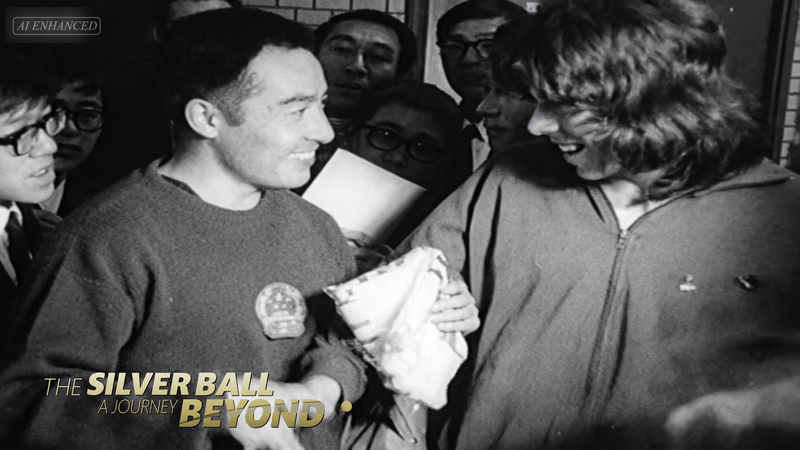
Fifty-five years after a fateful bus encounter in Nagoya, the legacy of Ping-Pong Diplomacy continues to resonate in 2026 as China and the United States navigate complex bilateral relations. The accidental meeting between American athlete Glenn Cowan and Chinese player Zhuang Zedong during the 1971 World Table Tennis Championships remains a powerful symbol of cultural diplomacy's potential to transcend political barriers.
At a time when Cold War tensions froze official communication channels, Zhuang's decision to greet Cowan with a handshake and silk tapestry demonstrated the human capacity for connection amid ideological divides. This spontaneous gesture ultimately contributed to President Nixon's historic 1972 visit to China, reshaping 20th-century geopolitics.
Contemporary observers note renewed interest in this historical episode as both nations commemorate the 55th anniversary of the breakthrough. "The table tennis exchange reminds us that small human interactions can create ripples through history," says Dr. Li Wei, a Beijing-based international relations scholar. "In our current era of technological diplomacy, it's crucial to remember the enduring power of personal connection."
While modern Sino-US relations face new challenges in 2026, from trade negotiations to climate cooperation frameworks, the Ping-Pong Diplomacy anniversary serves as a timely reminder of diplomacy's creative possibilities. Cultural exchanges between the two nations have grown exponentially since 1971, with educational partnerships increasing 300% over the past decade according to recent UNESCO data.
Reference(s):
cgtn.com