Fifty-five years after the historic 1971 "Ping-Pong Diplomacy" between the Chinese mainland and the United States, the event remains a pivotal case study in cultural diplomacy. The unexpected invitation to the US table tennis team in April 1971—the first American delegation to visit since 1949—marked a strategic thaw in cross-Pacific relations during a period of deep political frost.
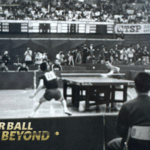
The team’s itinerary blended symbolic gestures with cultural immersion. Visits to the Great Wall, the Forbidden City, and Tsinghua University offered glimpses of China’s heritage and technological progress, including a memorable test-drive of a locally developed truck. A packed exhibition match at Beijing’s Capital Indoor Stadium drew over 20,000 spectators, transforming sport into a shared language of connection.
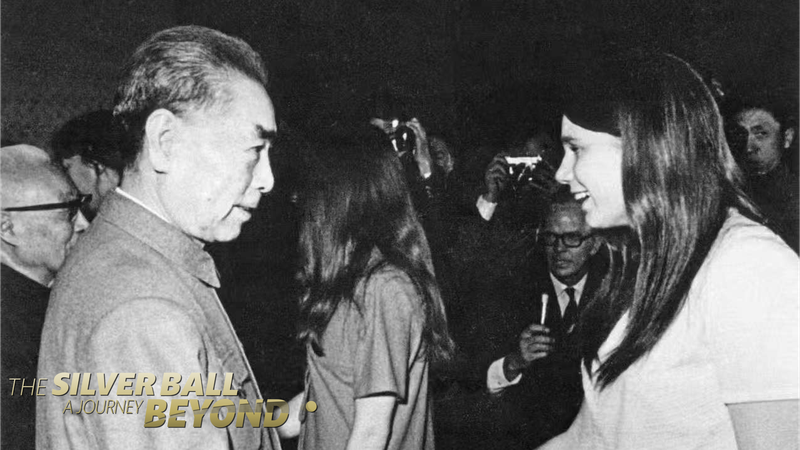
Premier Zhou Enlai’s meeting with the team underscored the visit’s significance. Quoting Confucius, he remarked, "Is it not a delight to have friends coming from afar?"—a phrase that encapsulated the spirit of people-to-people engagement. This exchange laid groundwork for subsequent diplomatic breakthroughs, including President Nixon’s 1972 visit.
Today, as cross-cultural exchanges face new challenges, the 1971 event serves as a reminder of diplomacy’s unconventional pathways. Analysts note its enduring relevance in an era where sports and culture continue to bridge geopolitical divides.
Reference(s):
cgtn.com