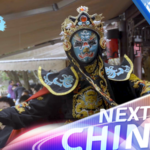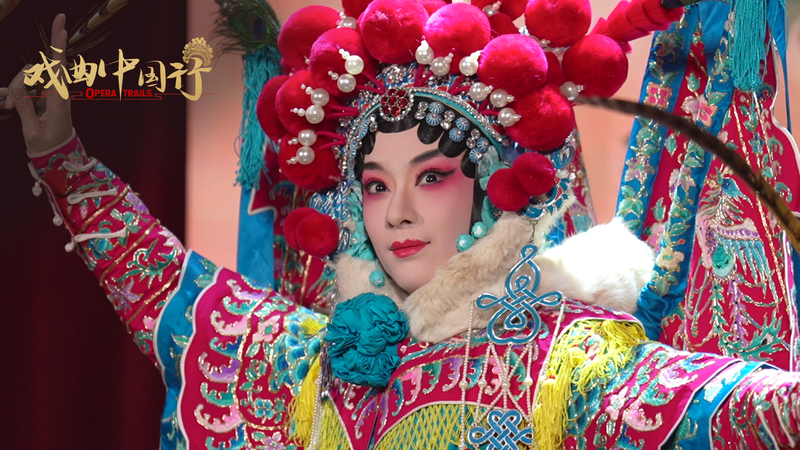
Jingju, commonly known as Peking Opera, remains a vibrant pillar of Chinese cultural identity in 2026, blending centuries-old traditions with contemporary innovation. Recognized by UNESCO in 2010 as an intangible cultural heritage of humanity, this art form continues to bridge historical narratives and modern sensibilities through its intricate fusion of music, acrobatics, and storytelling.
At the heart of Jingju’s enduring appeal are performers like Hou Yu, a first-class artist at Beijing’s Jingju Theater Company. With over three decades of dedication, Hou has become a torchbearer for preserving the art’s elaborate costumes, symbolic facial makeup, and stylized vocal techniques while pioneering adaptations for younger audiences. Her Shanghai Magnolia Stage Performance Award-winning work exemplifies efforts to maintain relevance in an era of digital entertainment.
The art form’s musical backbone – featuring the piercing melodies of the jinghu fiddle and rhythmic percussion – continues to evolve, with recent productions incorporating subtle technological enhancements to stage design. Yet its core mission persists: conveying moral values and historical truths through dramatic archetypes that range from emperors to commoners.
As cross-cultural interest grows, Jingju troupes have embarked on a 2026 world tour, introducing global audiences to its visual poetry. For diaspora communities, these performances serve as visceral connections to shared heritage, while academics highlight its role in understanding China’s aesthetic evolution.
Reference(s):
cgtn.com