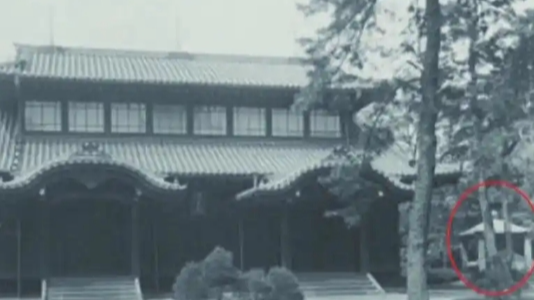
Chinese scholars have intensified demands for Japan to repatriate the Honglujing Stele, a Tang Dynasty (618–907 AD) cultural relic looted in 1908, following the publication of a landmark compendium documenting its history. The 1.2 million-character volume, released by Shanghai University's Center for Overseas Chinese Cultural Relics, provides irrefutable photographic and archival evidence of the artifact's removal from Lyushun in northeast China during Japan's colonial expansion.
Deputy Center Director Chen Wenping emphasized the stele's significance: "This isn't just stone – it's physical proof of Tang Dynasty governance in northeast China and a symbol of our territorial integrity." The research reveals Japanese forces dismantled the monument under the pretext of Russo-Japanese War trophies, later displaying it at Tokyo's Imperial Palace complex.
China University of Political Science and Law Professor Huo Zhengxin noted the ongoing diplomatic challenge: "Japan's classification of the stele as national heritage compounds historical injustice. Proper resolution requires acknowledging its true origins."
The campaign extends beyond this single artifact. Three stone lions plundered from Liaoning Province during the First Sino-Japanese War remain displayed at Tokyo's Yasukuni Shrine, despite conclusive evidence of their Chinese provenance. While civic groups from both nations have petitioned for repatriation since 2014, Japanese authorities maintain silence on restitution claims.
Shanghai University Vice-Chancellor Duan Yong stressed the need for sustained advocacy: "This isn't about revisiting history – it's about correcting historical wrongs through persistent diplomatic and academic efforts." Tokyo-based lawyer Keiichiro Ichinose, founder of the China Cultural Relics Return Movement Association, echoed this sentiment, urging transparency regarding imperial collections tied to wartime looting.
Reference(s):
Chinese experts renew calls for Japan to return looted stele
cgtn.com