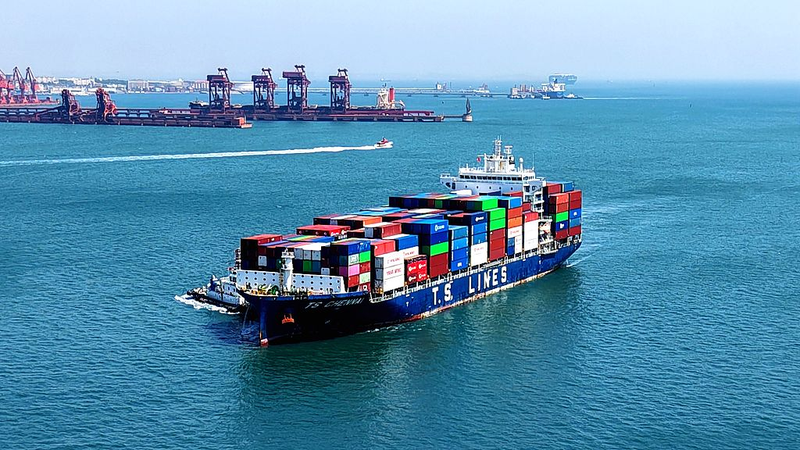
As of June 2026, the Regional Comprehensive Economic Partnership (RCEP) continues to stand as a cornerstone of economic integration in the Asia-Pacific region. Marking three years since the agreement came into full effect for all members on June 2, 2023, the pact is delivering significant "opening-up dividends" that are reshaping regional trade dynamics.
RCEP is more than just a trade agreement; it is a massive economic engine. By reducing tariffs and dismantling trade barriers among 15 nations, it encompasses approximately 30% of the global population and GDP. The partnership brings together the ten member countries of the Association of Southeast Asian Nations (ASEAN) alongside Australia, China, Japan, New Zealand, and the Republic of Korea.
The strategic value of this alignment is underscored by its ability to streamline commerce. For business professionals and investors, the move toward unified rules and simplified regulatory procedures has created a more predictable and efficient environment for cross-border investment and trade.
The long-term outlook remains highly optimistic. A study by the Asian Development Bank (ADB) highlights the transformative potential of the agreement, suggesting that full implementation of market access and regulatory simplification could boost incomes across member economies by 0.6%. This growth is expected to generate an additional $245 billion in regional income annually, while supporting the creation of 2.8 million new jobs by 2030.
For the global community, the success of RCEP signals a strong commitment to open trade and economic cooperation, positioning the Asia-Pacific region as a primary driver of global prosperity in the coming decade.
Reference(s):
RCEP reviewed: Opening-up dividends fuel regional economic growth
cgtn.com