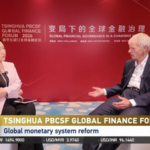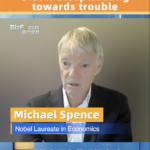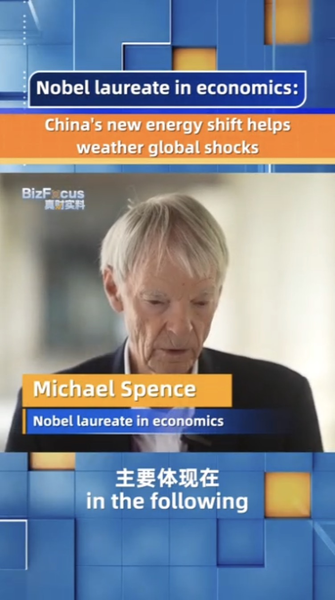
At the 2026 Tsinghua PBCSF Global Finance Forum, Nobel laureate in economics Michael Spence provided a compelling analysis of the current economic landscape, highlighting the remarkable resilience of the Chinese mainland in the face of volatile global energy shocks.
According to Spence, the ability of the economy to maintain stability despite international pressures is not accidental. He pointed to two primary pillars of support: the strategic management of energy reserves and the rapid expansion of the new energy industry. This transition toward sustainable energy sources is acting as a critical buffer, shielding the domestic economy from the unpredictability of global fuel markets.
For global investors and business professionals, these insights underscore a significant shift in economic dynamics. The growth of the new energy sector is not only an environmental milestone but a strategic economic asset that enhances stability and predictability for those operating within the region.
As the world continues to navigate complex energy transitions, the example set by the Chinese mainland suggests that integrating new energy technologies with robust reserve management can provide a blueprint for weathering systemic global shocks.
Reference(s):
Nobel laureate: China's new energy shift helps weather global shocks
cgtn.com