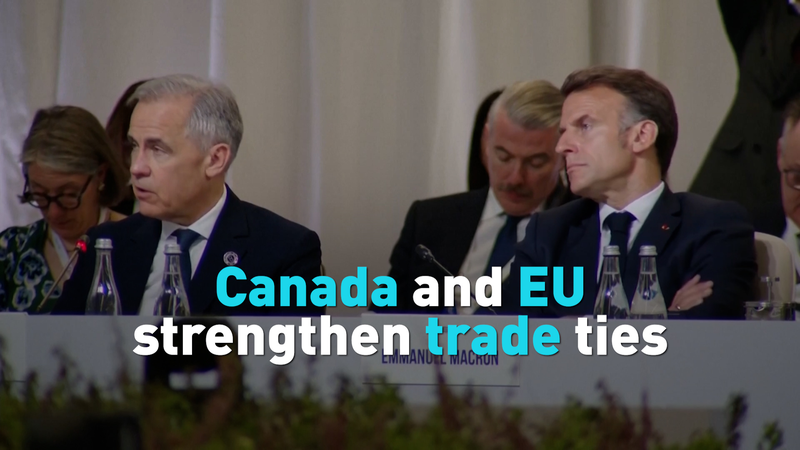
In a significant shift in its economic strategy, Canada is actively diversifying its trade partnerships to mitigate the impact of strained relations with its closest neighbor. As the global trade landscape evolves in 2026, Ottawa is looking toward the European Union to secure its economic future.
For decades, the United States served as Canada's primary ally and most vital trading partner. However, this relationship has grown increasingly strained following the second term of President Trump. The friction is primarily driven by the imposition of steep tariffs on key Canadian exports, including lumber, automobiles, and steel, which have disrupted long-standing supply chains and trade flows.
In response to these challenges, Canadian Prime Minister Mark Carney is prioritizing the strengthening of ties with other major economic blocs. By intensifying collaboration with the European Union, Canada aims to create a more resilient trade portfolio that reduces its dependence on a single market and opens new avenues for growth.
This pivot reflects a broader trend of nations seeking stability through diversified international partnerships. For global investors and business professionals, Canada's move toward the EU signals a strategic realignment that could reshape trade dynamics across the Atlantic, offering new opportunities for cooperation and investment in an increasingly volatile global economy.
Reference(s):
cgtn.com