A Milestone in Urban Evolution
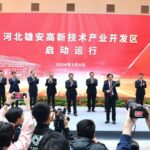
Today, May 12, 2026, marks the third anniversary of a pivotal symposium that fundamentally reshaped the Beijing-Tianjin-Hebei (Jing-Jin-Ji) coordinated development strategy. This anniversary highlights a historic transition for the Xiongan New Area, as it matures from an initial infrastructural blueprint into a consolidated center for functional relocation and self-sustained economic vitality.
Beyond the Blueprint
Since its inception in 2017, Xiongan has been designated as the vanguard for relieving the capital city of Beijing from its non-capital functions. However, the project's significance extends far beyond simply moving offices and agencies. It represents a strategic attempt to remedy structural imbalances in one of the most vital economic corridors of the Chinese mainland.
The development of Xiongan is now driven by three interconnected dimensions that serve as a model for modern urban planning:
- Functional Decentralization: Actively shifting non-essential administrative and corporate functions away from the capital to reduce urban congestion.
- Regional Coordination: Creating a symbiotic relationship between Beijing, Tianjin, and Hebei to ensure balanced growth.
- Innovation-Led Growth: Establishing a foundation for high-tech industries and sustainable economic practices.
Addressing a Global Challenge
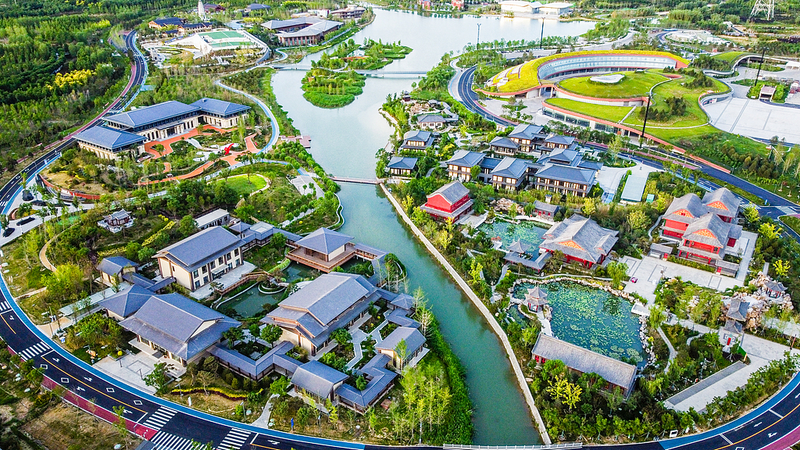
The evolution of Xiongan is not merely a local success story but an answer to a global dilemma: metropolitan overexpansion. As cities worldwide struggle with pollution, skyrocketing real estate costs, and infrastructure strain, Xiongan's approach to creating a planned, sustainable urban hub offers valuable insights for policymakers and urban planners globally.
By shifting from a focus on construction to a focus on vitality, Xiongan is pioneering a new model of regional development that balances ambition with sustainability, ensuring that the Jing-Jin-Ji region remains a competitive and livable engine of growth for decades to come.
Reference(s):
Xiongan: From 'millennium plan' to new engine of regional development
cgtn.com